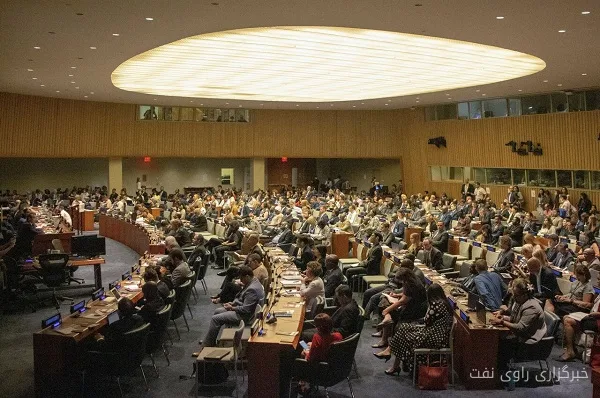
Brazil's proposal at the international ISWG-GHG 22 conference addresses the requirements of the carbon neutrality framework in the maritime transport industry. This proposal has been shaped in the new round of negotiations based on the decisions of the MEPC 83 meeting, aiming to create a sustainable agreement without reopening the entire package of agreements.
Strengths and Proposed Reforms
Brazil's proposal, presented as a compromise option, emphasizes maintaining the core compliance structure. This proposal includes maintaining the global standard for greenhouse gas intensity and floating compliance balances. Additionally, extra units and corrective units for zero and near-zero fuels are also included in this plan.
Read more: Decrease in TTF prices and maintenance of LNG facilities in the United States
Brazil aims for the proposed framework to act as a flexible compliance system. Thus, vessels that achieve the required greenhouse gas reductions through their fuels or technologies will be directly compliant and will not need to pay compliance costs. At the same time, vessels that perform better can generate transferable extra units.
Changes in the Reduction Path and the Need for Flexibility
Brazil also proposes that the initial reduction path begins gradually. The implementation dates for reductions have been postponed by one year, and several levels of initial reductions have also been delayed. The goal of these reforms is to address concerns regarding the availability of compliant fuels and the economic impact of rapidly introducing the mechanism.
In the years 2029 and 2030, the baseline target and the direct compliance target will be the same, which will help reduce the volume of revenues collected during the initial implementation period. From 2031 onwards, these two targets will significantly diverge, and the two-tier structure will be fully activated.
Brazil's proposal specifically points out that the system should not be perceived as imposing a public tax on every ton of maritime greenhouse gases. Instead, the economic components provide an alternative option for compliance, where companies can compare the cost of changing fuels or technologies with the cost of purchasing the necessary units to balance their deficits instead of direct compliance.
As a result, this proposal seeks to create a compliance system that simultaneously reduces pressure on the industry while considering economic needs and enables the achievement of environmental goals.
Read more: Global gas market under pressure from LNG supply disruptions · Increase in iron ore prices in China due to supply concerns