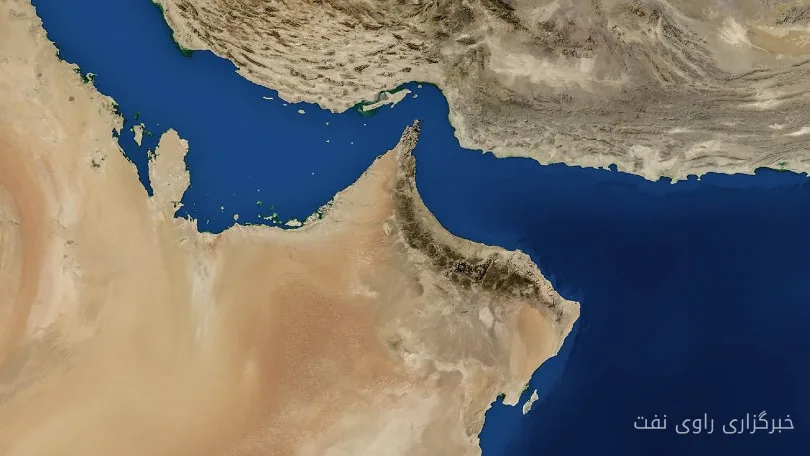
The attack on the Abqaiq oil refinery, the largest oil refinery in Saudi Arabia, on Tuesday, September 14, 2023, caused severe fluctuations in the global oil market. This refinery, with a daily production capacity of 7 million barrels of oil, is considered one of the most important oil production centers in the world. The attack, which caused significant damage to the infrastructure facilities in the region, has heightened concerns about energy security in the Middle East and its effects on the global oil market.
Details of the Attack on Abqaiq Refinery
The attackers used long-range missiles to strike the Abqaiq refinery, causing considerable damage to the facilities. This attack, especially given the high sensitivity of the region and Saudi Arabia's vital role in global oil supply, has raised concerns. Since this refinery is responsible for a significant portion of Saudi crude oil production, any disruption in its operations could lead to an increase in oil prices in the global market.
Read more: Instant issuance of fuel cards in 7 counties of Kurdistan
Economic Consequences and Oil Market
The impact of this attack on the oil market was quickly evident. The price of Brent crude oil, which is recognized as the international benchmark for oil prices, significantly increased after this incident, reaching nearly $90 per barrel. This price increase occurred due to fears of a reduction in global oil supply and the possibility of escalating tensions in the region. Experts believe that the continuation of this crisis could lead to increased instability in the oil market and keep prices at higher levels.
Moreover, this attack could have long-term effects on the relationships among oil-producing countries and lead to increased efforts to strengthen the security of oil facilities in the region. In this context, Saudi Arabia may need to engage in more international cooperation with other countries to protect its infrastructure.
As a result, the attack on the Abqaiq refinery has not only affected the oil market but could also lead to structural changes in the energy and security policies of oil-producing countries. Given these circumstances, oil market analysts are closely monitoring subsequent developments to assess the impacts of this event on prices and energy security.
Read more: OPEC+ Maintains Oil Production Quotas for Seven Countries for December · ExxonMobil's Profit Increases to $15.4 Billion in the Third Quarter