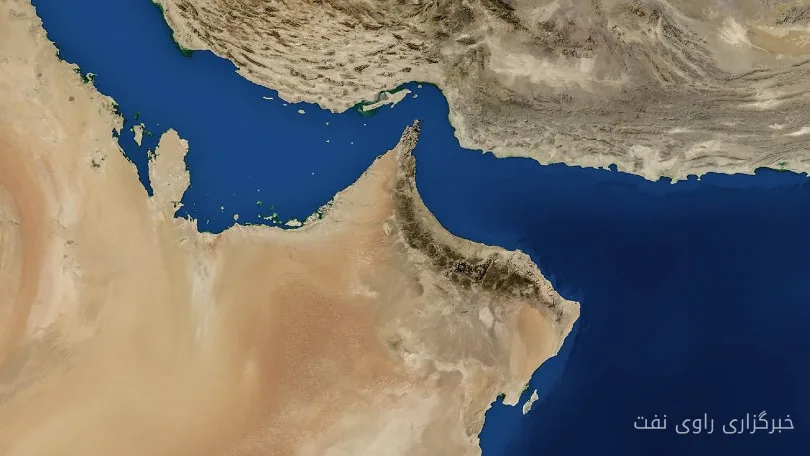
The East-West pipeline of Saudi Arabia, which is the main route for transporting the country's crude oil through the Strait of Hormuz, was targeted in an attack on Monday. This attack occurred in the Medina region and resulted in a limited fire that emergency forces were able to extinguish. According to officials from the Saudi Ministry of Energy, this attack caused no casualties and the pipeline operations were not affected.
Details of the Attack and Its Impact on Operations
The East-West pipeline transports Saudi crude oil to the port of Yanbu on the Red Sea, where this port recorded a significant increase in the country's crude oil exports in October. The Saudi Ministry of Energy has explicitly confirmed that the pipeline operations were not affected by the attack, but did not specifically state whether the pipeline sustained any physical damage.
This attack comes as OPEC has reported that the organization's oil production has returned to 90 percent of pre-war production levels. Specifically, OPEC's oil production in October increased to 22.87 million barrels per day, showing an increase of 930,000 barrels compared to September. This production increase has primarily come from Saudi Arabia, Kuwait, and Iraq.
Analysis of OPEC Production Status and Its Consequences
Saudi Arabia has increased its production to 9.2 million barrels per day, with a rise of 970,000 barrels, exceeding the group's net increase. However, the country's production is still about 800,000 barrels per day lower than early this year. Iraq has also added 140,000 barrels to its production, reaching 4.15 million barrels per day, while Kuwait has increased by 130,000 barrels to 2 million barrels per day.
In contrast, Iran's production has decreased to 1.9 million barrels per day, the lowest recorded level in Bloomberg data since 1989. Additionally, no oil tanker has been observed at Khark Island since late August. The war in Iran has made it impossible to deliver the production increases that OPEC had promised.
In August, OPEC members under the quota agreement produced about 25 million barrels per day, while the group's combined target was 31.01 million barrels per day. OPEC has kept quotas steady for October and November and plans to set production targets for 2027 at the ministerial meeting on November 29.