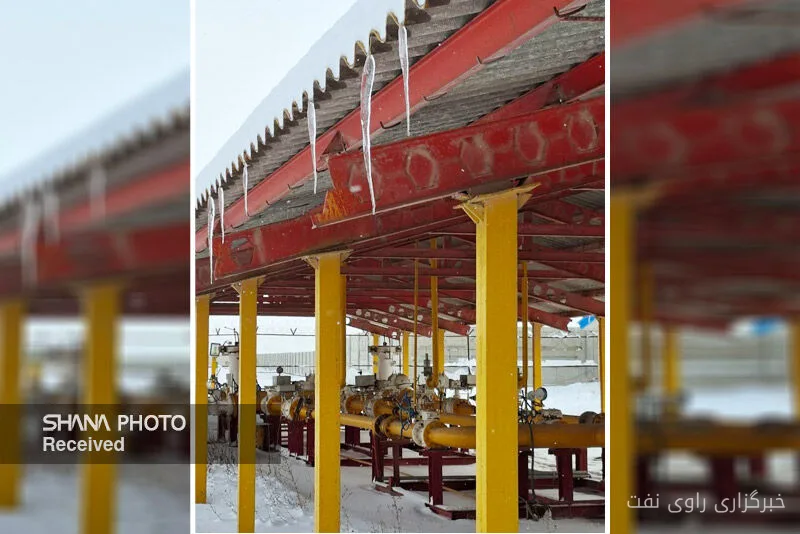
Asia, with a new perspective on global energy developments and the need for significant investments, is shaping a $15 trillion energy market. This region faces new challenges and opportunities in coal, oil, natural gas, renewable energy, and energy storage.
Major Investments in Energy
According to McKinsey, Asia needs $1 trillion in annual investment in the energy sector to strengthen energy security, accelerate the transition to sustainable energy sources, and meet the region's increasing demand. This region is expected to account for about 70% of the net growth in global energy demand by 2040, with energy demand in Asia projected to reach 370 million terawatt-hours, a 15% increase compared to last year's forecast.
The Role of Coal in the Energy Mix
Coal, as one of the main fuels in Asia's energy mix, will remain in this mix longer than previously anticipated. While coal consumption in China is slowly declining due to the rapid growth of renewable energy production, the electricity and industrial needs in India and Southeast Asia will sustain overall demand at the regional level. Currently, coal accounts for about 47% of Asia's primary energy mix, while oil makes up 25% and natural gas about 12%.
Outlook for Renewable Energy
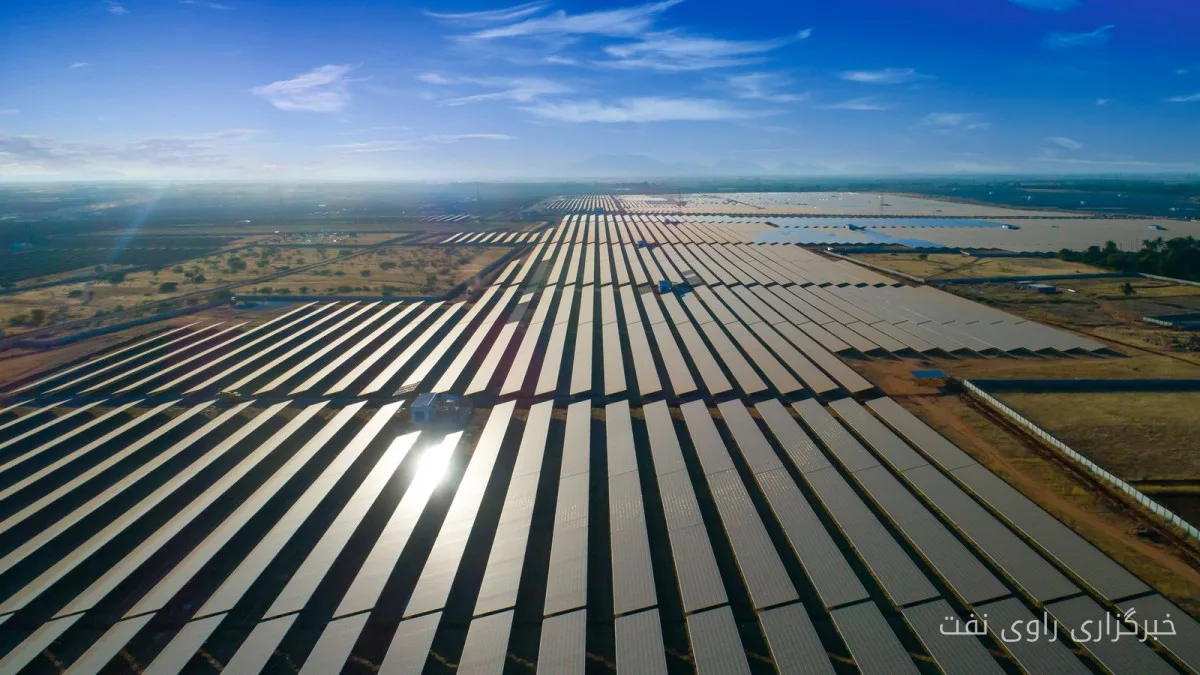
McKinsey has also stated that around $300 billion in annual investment is needed to provide the necessary infrastructure for wind and solar energy, which will mainly be concentrated in India and Southeast Asia. Solar energy costs have significantly decreased, making it the cheapest source of energy. It is expected that renewable energy costs in the Asia-Pacific region will be on average 13% lower than conventional coal and will become one-third cheaper by 2030.
Ultimately, McKinsey estimates that biofuels could replace $90 to $100 billion of fuel imports in Asia by 2040, significantly reducing the region's long-term dependence on imported oil.
Read more: China's iron ore imports to increase to 967.8 million tons by 2026 · 3% decrease in the container index in Asia by Drewry