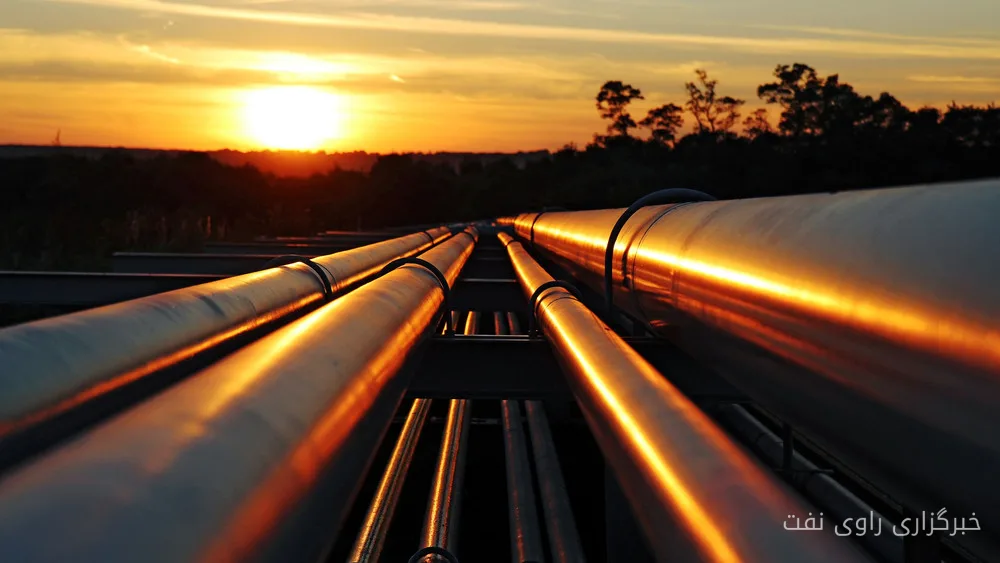
The Saudi company (Saudi Aramco) has restarted its East-West pipeline known as Petroline (Petroline) less than two weeks after attacks that led to the shutdown of this system with a capacity of 7 million barrels per day. This pipeline transports the majority of Saudi crude oil through the Strait of Hormuz to global markets.
Reviving Oil Flow with Limited Capacity
Pumping flow in this pipeline has resumed at a reduced rate, and Aramco aims to gradually reach a capacity of 4 million barrels per day. Loading of tankers at the port of Yanbu (Yanbu) also appears to have resumed this week, although regular exports have not yet returned to normal.
Damage from Attacks and Repairs
According to reports, the Petroline pipeline was transporting an average of 5.5 million barrels of oil per day before the September attacks, of which about 4.5 million barrels were allocated for exports from the port of Yanbu. The damage to the pipeline has been limited, with the main destruction focused on pumping infrastructure. At least one pumping station has been severely damaged, and Aramco is installing a temporary bypass while permanent repairs continue.
Sources indicate that Yanbu was exporting an average of 4 to 4.5 million barrels per day before the attack, which shows a significant increase compared to 750,000 barrels per day before the war. Additionally, due to this disruption, the SAMREF (SAMREF) refinery in Yanbu has been forced to reduce its operations to about half of its capacity of 400,000 barrels per day.
Security Challenges and Insurance Costs
Insurance costs related to the attacks for tankers associated with Saudi Arabia in Yanbu have significantly increased to about 3 percent of a ship's value. Meanwhile, insurance rates in southern Saudi ports can reach up to 7 percent. The Strait of Hormuz remains more expensive than this route, with rates between 6 to 9 percent.
Given the security situation in the Red Sea and the frequent Houthi attacks on Saudi oil facilities, Aramco is facing new challenges. However, the Saudis are seeking to strengthen security and return to normal oil export processes.
Read more: South Pars Ready for Sustainable Gas Production in Winter · Aramco Halts Crude Oil Deliveries to European Refineries



