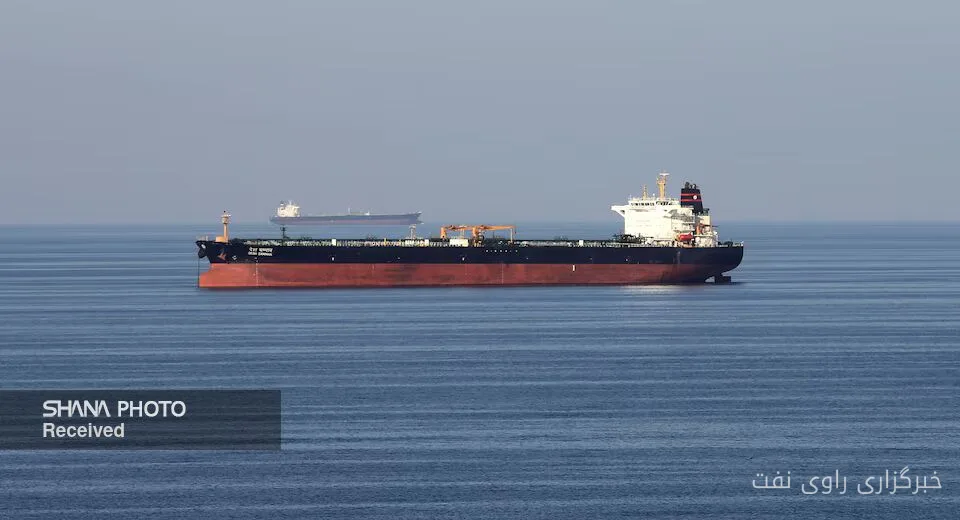
The Saudi state oil company Aramco has recently informed two major European refineries that due to damage to the important East-to-West export pipeline in Saudi Arabia, it will not be able to deliver crude oil shipments in October. This news follows an attack on this pipeline and damage to three pumping stations.
Details of the Crude Oil Supply Disruption
Aramco has informed its customers that crude oil shipments will not take place next month due to this disruption. Meanwhile, European refineries purchase Saudi crude oil through long-term contracts to meet their energy needs. However, this supply disruption has forced refineries to seek alternative sources.
Read more: Shenghang Shipping Uses Ammonia as Bunker Fuel
Economic Consequences for European Refineries
Saudi customers, including refineries in Poland, are seeking alternative sources due to the disruption in Saudi crude oil supply. Traders have reported that these refineries are purchasing various types of North Sea crude to compensate for the shortage of Saudi crude oil. Such actions could lead to price increases in the global oil market and other changes in the energy supply chain.
Aramco's Efforts to Return to Normalcy
According to received information, Aramco is working to restore the damaged export pipeline's operations in the short term. News sources have reported that Aramco is aiming to return this pipeline to its full capacity within six weeks. This event could have severe impacts on the global energy market and lead to fluctuations in oil prices.
These developments come as Saudi Arabia, one of the largest crude oil producers in the world, plays a key role in supplying energy to many countries. Disruption in Saudi crude oil supply could lead to instability in global markets and have profound economic impacts on countries dependent on Saudi oil imports.
Read more: Transnet National Ports Authority Seeks Operator for LNG Port in East London Port · Fuel Access Situation in European and African Ports



