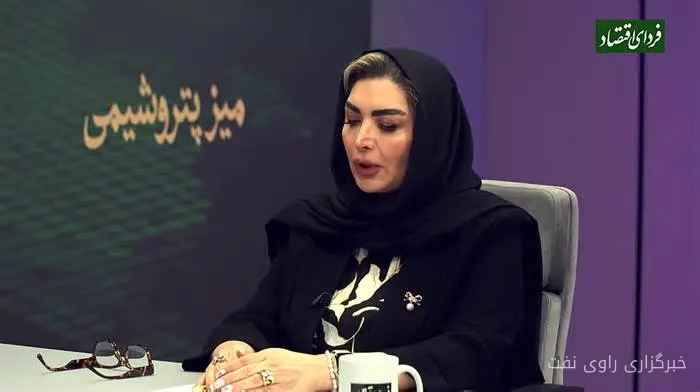
Ali Salehnia, an analyst in the oil and petrochemical sector, discussed the current state of Iran's petrochemical industry in the "Petrochemical Table" program and emphasized that achieving a nominal capacity of over 100 million tons is not sufficient for Iran's economy. He pointed to the challenges and obstacles in this industry and stated that the continuation of traditional policies and lack of change in approaches, especially in the field of production and enhancing added value, cannot meet the developmental needs of the country.
The necessity of moving beyond the era of raw capacity building
Salehnia stressed that Iran's petrochemical industry must move beyond the "era of raw capacity building" and shift towards creating more added value in its export basket. He deemed this change essential and stated that currently, policymakers are faced with a difficult dilemma: allocating naphtha to subsidized gasoline or expanding the petrochemical chain. This choice could have major impacts on the future of this industry.
Read more: Natural gas improves and distances itself from severe decline
Challenges of feedstock supply and investment
Salehnia also referred to the imbalance in feedstock supply and stated that this issue has caused billions of dollars in investments in the petrochemical industry to be stalled. The lack of feedstock is one of the biggest challenges for this economic driver, and if not addressed, it could pose a serious warning for the future of Iran's petrochemical industry. These challenges will negatively impact not only production but also employment and the overall economy of the country.
In his opinion, to tackle these challenges, it is necessary to implement strategic programs and new policies. These actions should be designed to meet domestic needs while also enabling an increase in exports and added value.
Read more: Increase in oil prices due to political fluctuations in the US and tensions in Iran · The Russian government banned the export of certain petrochemical products