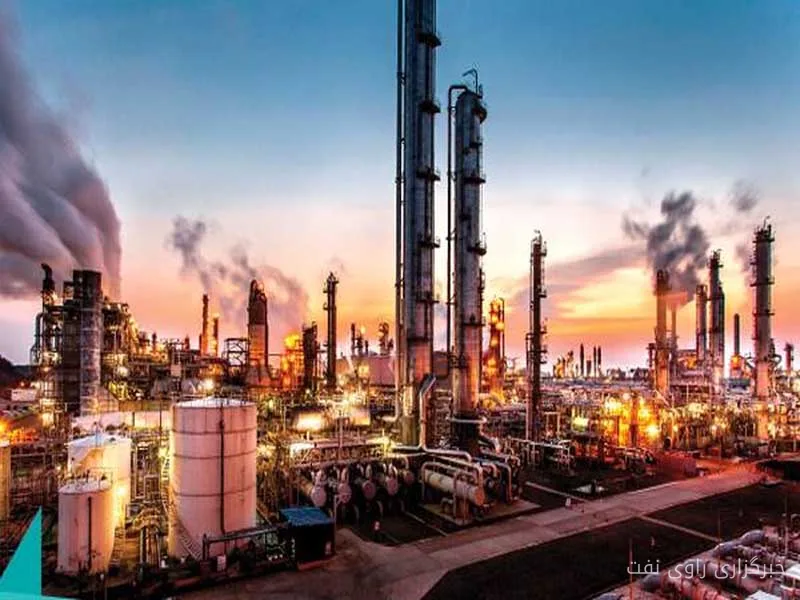
Iran's economy, alongside the revival of petrochemical production, needs to increase the added value of exported products and expand industrial exports with higher net foreign currency revenues. A loud explosive sound rose from Mahshahr port, signaling the first alarm for the activity of one of Iran's main petrochemical production hubs. In the initial days, the focus was on extinguishing the fire, securing facilities, and assessing damages. However, the economic consequences of these events could extend beyond the halt of a few industrial complexes; from reduced production and exports to limiting the foreign currency revenues needed for imports.
Production Decrease and Its Impact on Exports
Several months after these attacks, the latest report from the Statistical Center of Iran reveals a 61.7% decrease in petrochemical product production in Spring 2026. According to the latest data from the Ministry of Industry, Mine and Trade, the production of these products has dropped from about 18 million tons in the spring of last year to 7 million tons. The decline in production in an industry that annually supplies billions of dollars worth of products to foreign markets has raised concerns about the currency-generating capacity of Iran's economy.
The decrease in production, of course, does not alone indicate a similar decrease in exports, but if it leads to a limitation on foreign sales, the foreign currency revenues from exports will also be affected. Recent developments in petrochemicals have occurred at a time when Iran's foreign trade was already facing limitations in securing foreign currency resources, transportation, and access to foreign markets. Now, the reduction in production capacity of one of the major export industries, alongside the rising dollar costs of imports, raises another question: How much foreign goods and services can Iran's economy purchase with the revenues from selling its products, and what changes in the export composition are necessary to enhance this capacity?
Dependence on Petrochemical Exports and Its Consequences
Iran's economy's dependence on oil and gas is not limited to crude oil exports. A look at the composition of non-oil exports shows that a large portion of the country's foreign currency revenues still comes from the sale of energy-related and natural resource products. According to the Trade Development Organization's statistics, in the first four months of 2025, about 49% of the value of non-oil exports was attributed to petrochemical and oil-based products, and 25% to mining and mineral industries. The share of industrial and agricultural products was 17% and 9%, respectively.
Thus, nearly three-quarters of Iran's non-oil exports are concentrated in two commodity groups; a combination that makes the country's foreign currency revenues vulnerable to fluctuations in global prices, energy supply limitations, and disruptions in the activities of large industries. Although some of these products are processed, the high concentration of exports in resource-dependent industries means that a reduction in production in a few large industries puts pressure on the country's currency-generating capacity. Petrochemicals alone had about 12 billion dollars in exports in 2025, accounting for nearly 23% of the country's total non-oil exports. The severe decline in production in this industry in Spring 2026, given such a share, raises concerns about maintaining export revenues.
Read more: Tehran Oil Refinery Provided Explanations About the Thick Flare Smoke · Signing of the Memorandum for the Third Year of the Energy Pulse Campaign by the National Petrochemical Industries Company



