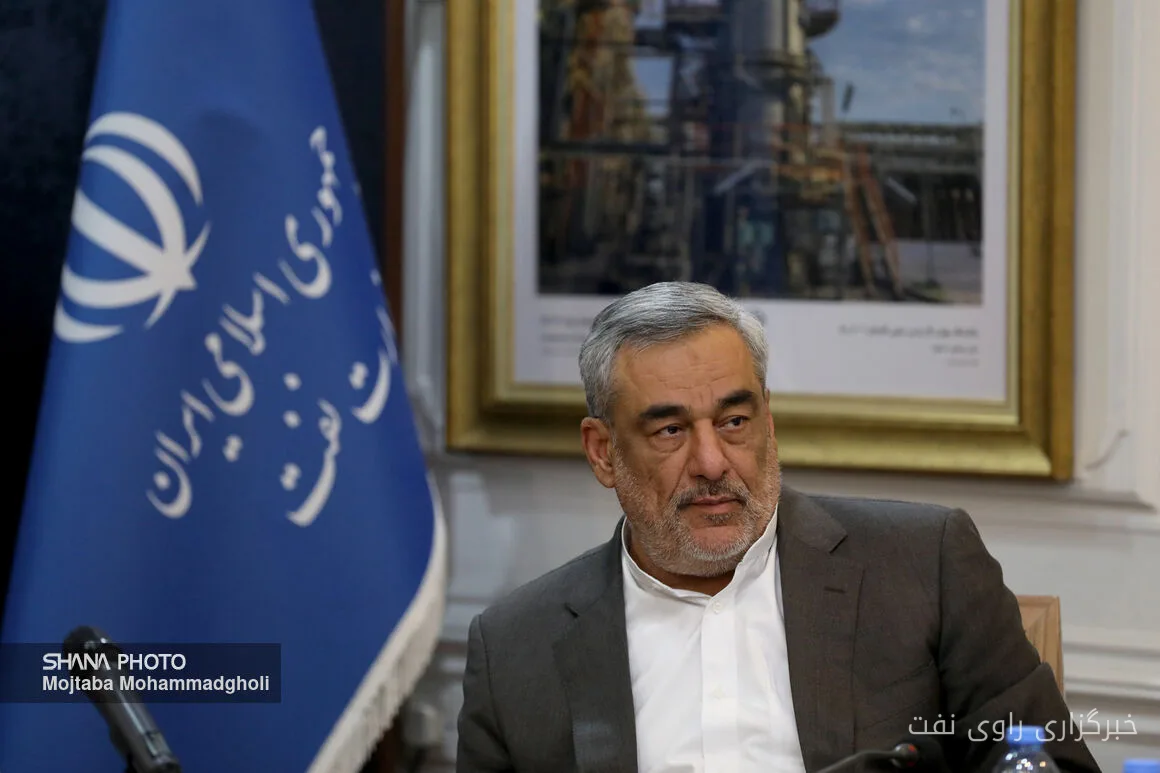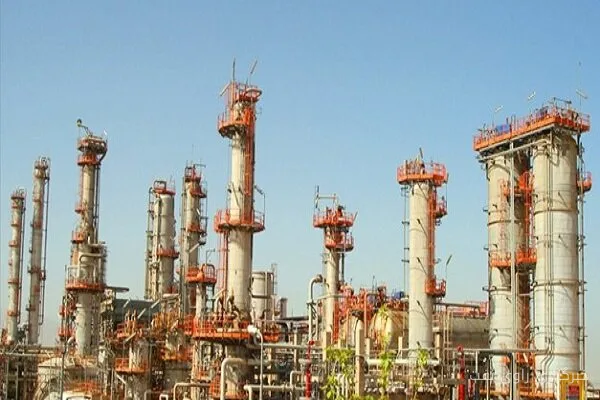
Omid Shakri, the CEO of the National Petrochemical Company, announced on the sidelines of the signing ceremony of the "Energy Pulse" campaign agreements that about 60 percent of the lost capacities of the petrochemical industry have been recovered and returned to the production cycle.
Restoration Status and Upcoming Challenges
Shakri, speaking to reporters, pointed out the damages inflicted on the petrochemical industry during the war, stating that these damages have affected two areas: utilities and some specific processes, and appropriate actions are being taken in both areas. He noted that the restoration of utilities is being continuously pursued, and in the two main hubs of the country's petrochemical industry, namely Assaluyeh and Mahshahr, this process is being implemented satisfactorily.
Read more: Iran's oil industry faces a 200,000 barrel increase in oil production
The CEO of the National Petrochemical Company emphasized that the company's goal is to return a significant portion of the lost capacities to the production cycle by the end of this year. However, he pointed out the feedstock limitations in the winter season and noted that we will likely face gas limitations due to imbalance in the winter.
Winter Challenges and Export Status
Shakri mentioned the winter challenges and said that every year during this season, with the increase in gas consumption in the residential sector, unintended limitations are imposed on some industries, including the petrochemical industry. He also referred to a reduction of 230 million cubic meters from the refining capacity of the gas industry and added that with the efforts of colleagues in the Ministry of Oil, the National Gas Company, and the National Iranian Oil Company, some of these capacities have returned to the production cycle.
The CEO of the National Petrochemical Company also discussed the export situation, stating that this industry is essentially a product seller and returns the foreign currency from exports to the country. However, the conditions of war and siege have naturally created problems for exports. He clarified that with the measures taken, efforts are being made to keep the exports of this industry sustainable.
In conclusion, Shakri emphasized the importance of cooperation among all consumer sectors in reducing energy consumption and invited the public and various sectors to support the energy consumption reduction campaign. This cooperation can help secure more energy for industries and reduce issues related to petrochemical feedstock.
Read more: Trump calls for a reduction in Ukraine's attacks on Russian oil refineries · Analysis of the stock market situation in Fall 1402 with Mostafa Pazouki