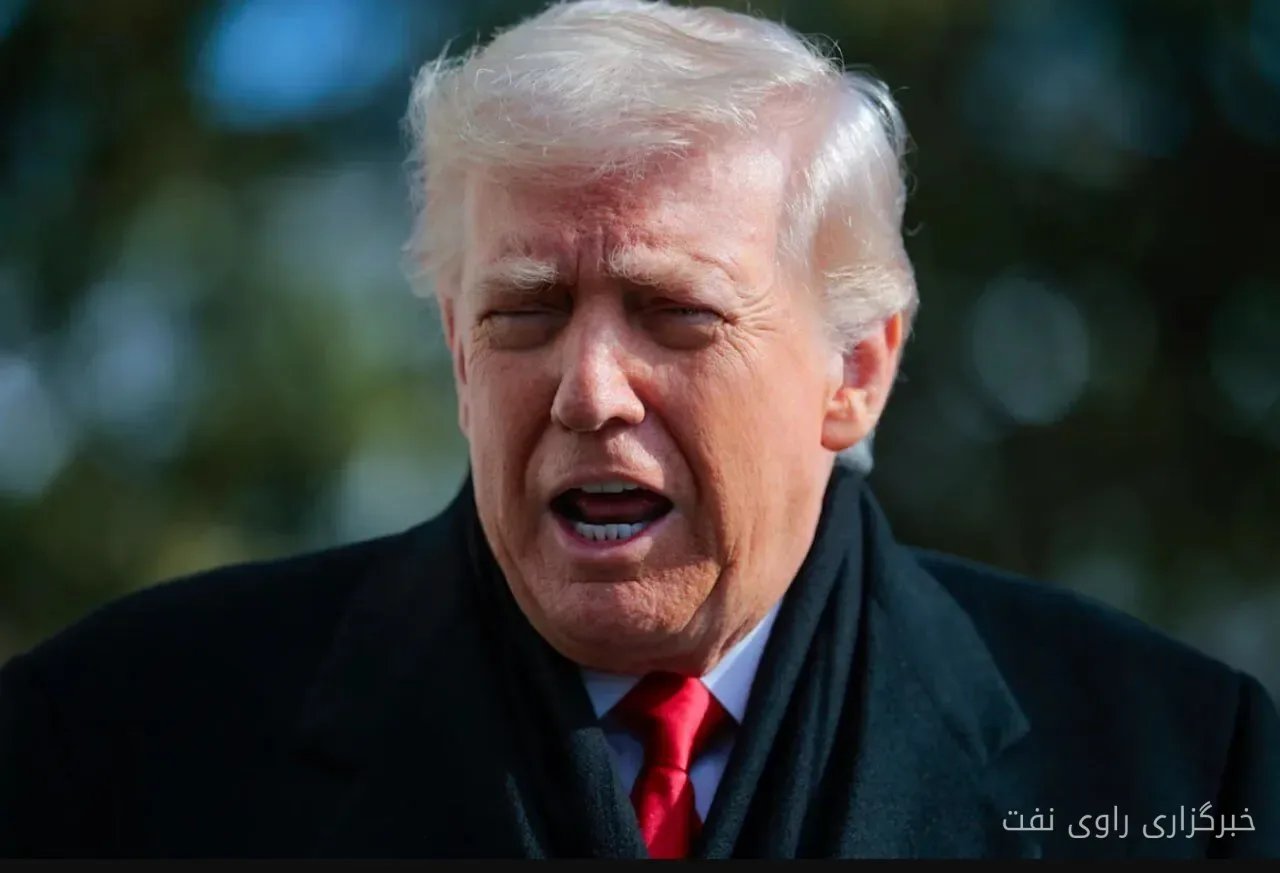
The Trump administration has called for a reduction in Ukraine's attacks on Russian oil refineries in a new development. Donald Trump, the President of the United States, stated in an interview with Fox News that he discussed reducing the intensity of attacks on Russian oil refineries with Volodymyr Zelensky, the President of Ukraine.
Details of Conversations with Zelensky
Trump said in this interview: "I spoke with Zelensky and told him that he should reduce the intensity of his attacks on Russian oil refineries." These remarks reflect Trump's concerns about the economic and political consequences of Ukraine's attacks on Russian oil infrastructure. Zelensky, in response to this request, said, "Very well, maybe we will do that." These discussions seem to be aimed at managing tensions between the two countries and their impact on global oil markets.
Economic Consequences and Review of Diesel Export Ban
Trump also mentioned reviewing a ban on diesel exports, stating that this action may be aimed at lowering diesel prices in the United States. He clarified that this ban might slightly raise gasoline prices, but it could help reduce diesel prices. These remarks indicate the U.S. government's efforts to control fuel prices in the domestic market.
Oil-producing countries, especially Russia, are facing serious challenges regarding exports and pricing due to sanctions and Ukraine's attacks. Trump emphasized: "We will manage this situation." This statement reflects the U.S. government's desire to control oil market developments and prevent price increases domestically.
Given the current state of the oil market and political developments in the region, it seems that reducing attacks on Russian oil refineries could also be seen as a strategy to reduce tensions while preserving U.S. economic interests. This issue is particularly significant in a context where global oil prices are continuously influenced by geopolitical and political developments.
Read more: Increase in Product Tanker Rates in Global Markets



