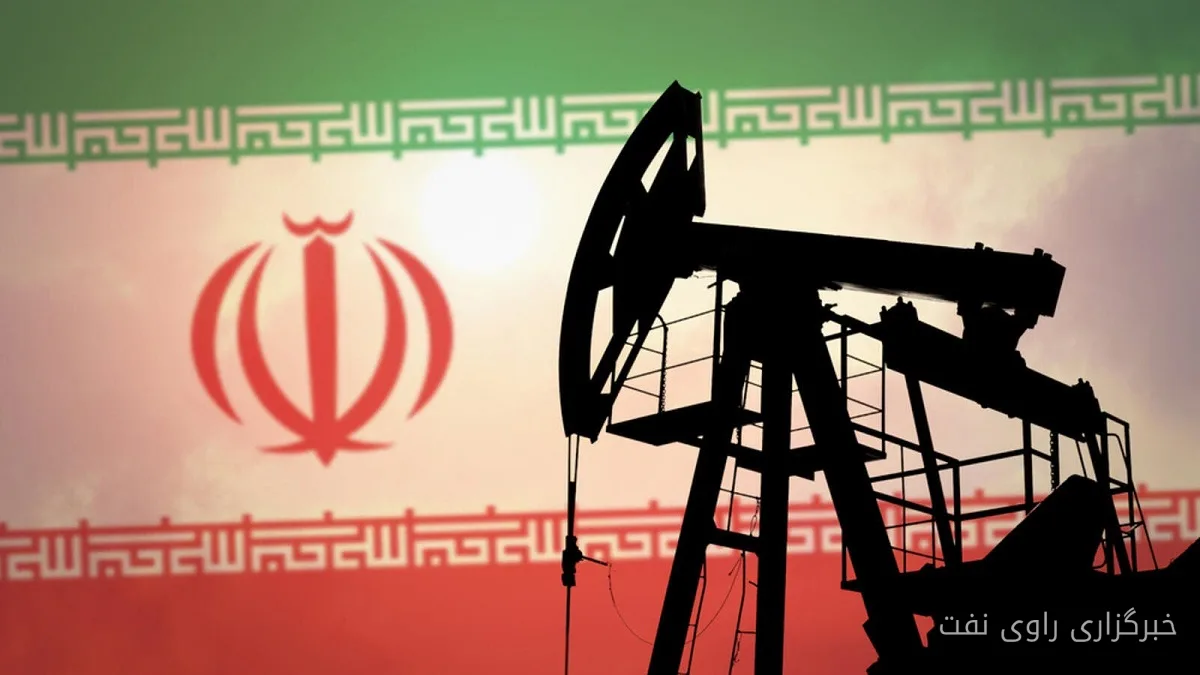
Iran's oil industry is currently experiencing its highest production level in the past eight years, with a daily output of 200,000 barrels of oil. At the same time, some of the country's energy facilities are being rebuilt, and oil industry managers are warning about the threat to critical infrastructure.
Production Increase and Security Challenges
Hamid Bord, CEO of the National Iranian Oil Company, has reported that gas production has reached about 1.1 billion cubic meters per day and emphasized the necessity of reducing energy consumption by 10 to 15 percent. These figures reflect the contradictory state of Iran's oil industry; while production capacity has increased, the costs of maintaining this capacity in wartime have also risen. Under these conditions, refineries, pipelines, storage facilities, export terminals, and the power grid must operate without interruption. War has transformed this chain from an economic issue into a security issue.
Read more: Winter fuel supply for 8,200 households in Chaharmahal and Bakhtiari
Importance of the Facility Chain in South Pars
The importance of the facility chain in the South Pars gas field is clearly evident. In this field, several damaged refineries are under reconstruction. According to internal reports, the reconstruction of the Phase 14 refinery and the refineries of phases 4, 5, 9, and 10 is on the agenda, and oil managers have stressed the need to expedite these operations before the cold season. Damage to a processing unit can have serious consequences for the entire facility chain, especially on the brink of winter when household consumption increases.
In these circumstances, a reduction in gas processing capacity can place additional pressure on power plants and industries, increasing the need for liquid fuel to meet energy demands. Therefore, the speed of returning facilities to operation is not just a construction indicator; it is directly related to the security of gas supply in the cold months of the year.
Consumption Management and Supply Security
The increase in gas production to about 1.1 billion cubic meters per day, alongside the request for a 10 to 15 percent reduction in consumption, indicates an imbalance between production capacity and the safety margin of the network. The gas allocated to the residential sector in winter, in the event of increased consumption, can be reduced from the share of power plants and industries. For this reason, saving in these conditions takes on the role of "virtual production" and can help improve market conditions.
Future Outlook for Iran's Oil Industry
Iran's oil industry is now facing new challenges arising from wartime conditions. The speed of refineries returning to operation, the ability to continue the operation of transmission lines, and access to critical equipment are among the new performance metrics for this industry. Improving infrastructure and flexibility in the export chain are essential measures to maintain production and increase crude oil exports.
Ultimately, the increase of 200,000 barrels in this context is considered an operational achievement, but its final value depends on the sustainability of this capacity and the industry's ability to manage existing challenges.
Read more: Omid Shakri emphasized economic jihad in the oil industry · Oil market developments under the influence of Hormuz risk and changes in China's consumption



