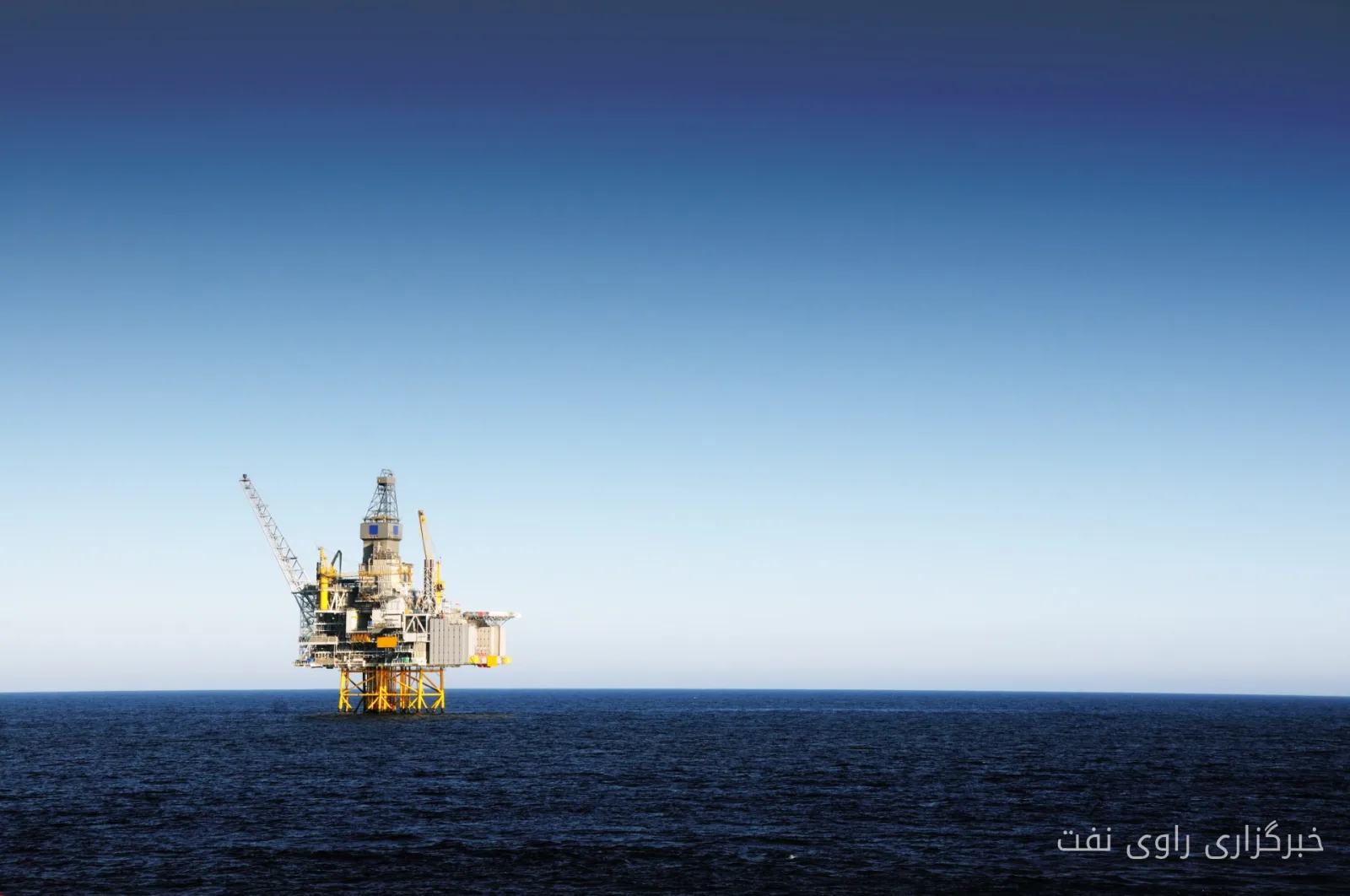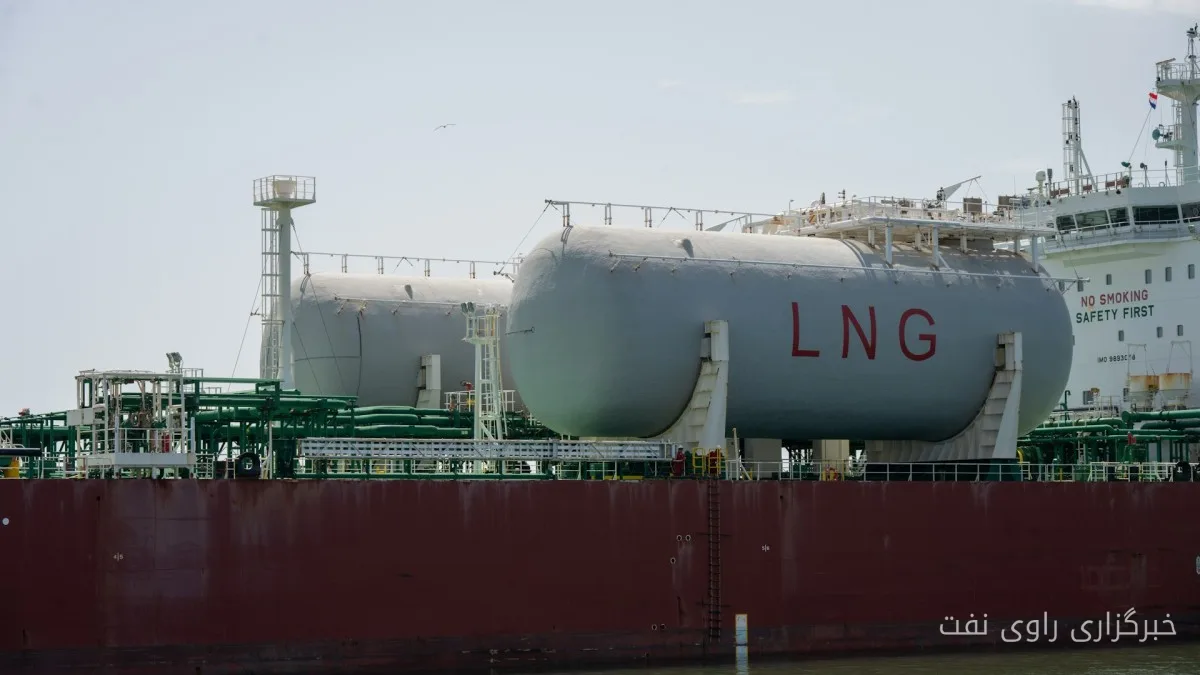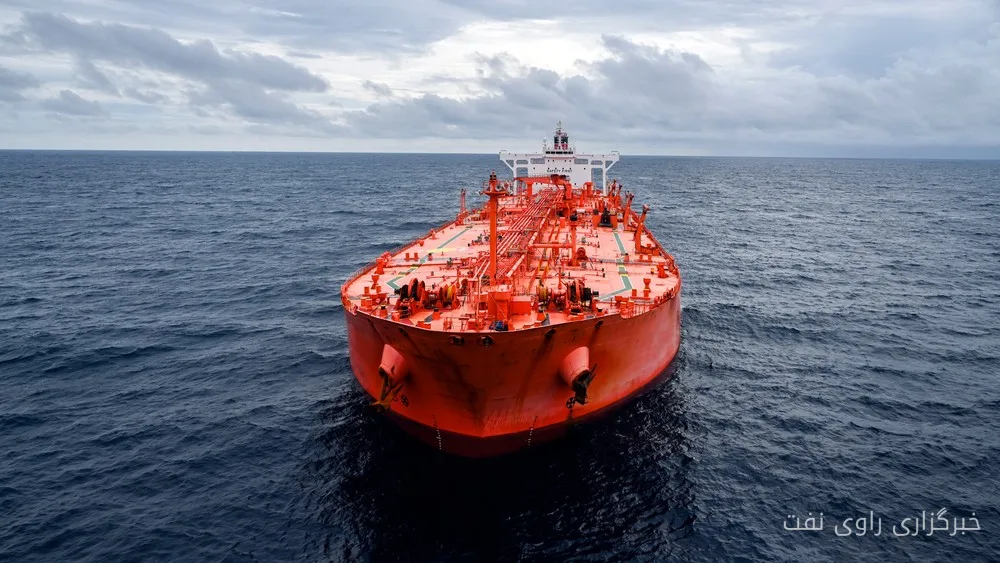
The increase in crude oil prices on Monday (September 23) occurred following escalating tensions in the Middle East and attacks on Saudi Arabia's oil infrastructure. The price of North Sea Brent crude oil reached $107.82 per barrel, up $3.21, by 3:40 AM GMT. Additionally, U.S. WTI crude oil also traded at $103.22 per barrel, up $3.17.
Reasons for the Increase in Oil Prices
Analysts at ING stated that recent attacks on Saudi Arabia's energy infrastructure, including the targeting of the crucial East-West pipeline, have caused this price increase. This pipeline is considered one of the most important routes for crude oil transportation, and its operational halt could have serious implications for global oil supply.
Read more: Severe Decrease in Ship Traffic in the Strait of Hormuz to 14 Vessels
Impact of the East-West Pipeline Shutdown
Saudi officials announced that the East-West oil pipeline has been temporarily halted following a drone attack. This shutdown could threaten up to 4% of global oil supply. Furthermore, with the cessation of this pipeline's operations, the existing storage at the Yanbu port will only suffice for five to seven days of exports for the country. This means that Saudi Arabia will need to seek new solutions for its crude oil exports.
Last week, oil prices recorded an 8% increase due to tensions in the Middle East, surpassing $100 per barrel for the first time since July. This price increase, especially as global demand for oil is rising, could have deeper impacts on global markets.
Ultimately, the effects of these developments on global financial and economic markets will also be significant. Analysts believe that if the situation continues in this manner, we may witness more volatility in oil prices in the coming days.
Read more: Responsibility of the North Sea Field Milliband for the Defense Fund's Failure · Chevron Warning: Decreased Storage Will Skyrocket Oil Prices