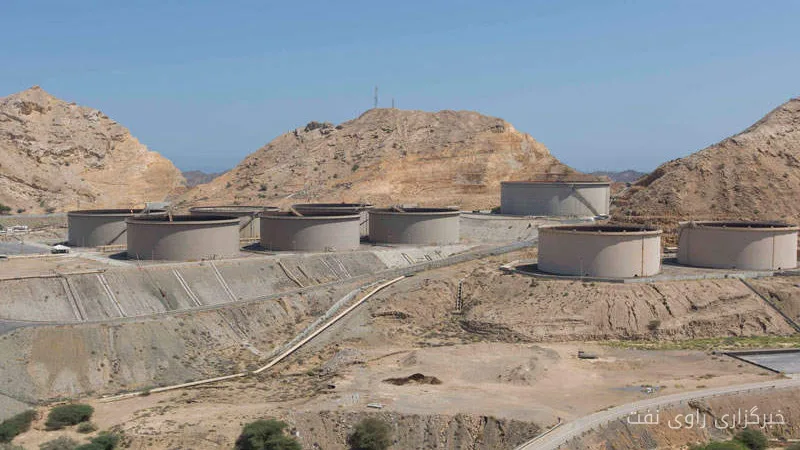
Fuel oil stocks in the Fujairah industrial area averaged 1% lower in October compared to September. Data from the Fujairah Industrial Center and S&P Global indicates that this decrease reflects changes in the fuel oil market and its impacts on imports and exports in the region.
Fuel Oil Imports and Exports
In October, Fujairah imported 103,000 barrels per day (b/d) of fuel oil, down from 133,000 b/d in September. According to published information, Russia accounted for the largest share of imports at 22%. Following Russia, Saudi Arabia with 17% and Singapore with 14% ranked next.
While imports have decreased, fuel oil exports also saw a significant drop to 279,000 barrels per day in October, representing a 22% decrease compared to 357,000 barrels per day in September. Singapore with 46%, China with 18%, and Pakistan with 11% are the main destinations for Fujairah's fuel oil exports. Given these statistics, Fujairah is recognized as a net exporter of fuel oil.
Middle Distillate Stocks and Market Impacts
Middle distillate stocks in Fujairah also averaged 2.37 million barrels in October, down 2% from 2.42 million barrels in September. This data indicates ongoing changes in the oil market and the need to pay attention to the supply and demand of these products.
Despite the tensions in the Strait of Hormuz and ongoing disruptions in shipping traffic, access to VLSFO (Very Low Sulfur Fuel Oil) in Fujairah has improved. However, the supply of LSMGO (Low Sulfur Marine Gas Oil) and HSFO (Heavy Sulfur Fuel Oil) remains limited. These factors could influence prices and trade policies in the future.
Overall, the decrease in fuel oil stocks and changes in import and export patterns in Fujairah reflect a complex and evolving oil market. Analysts believe that these changes could intensify competition in global markets.