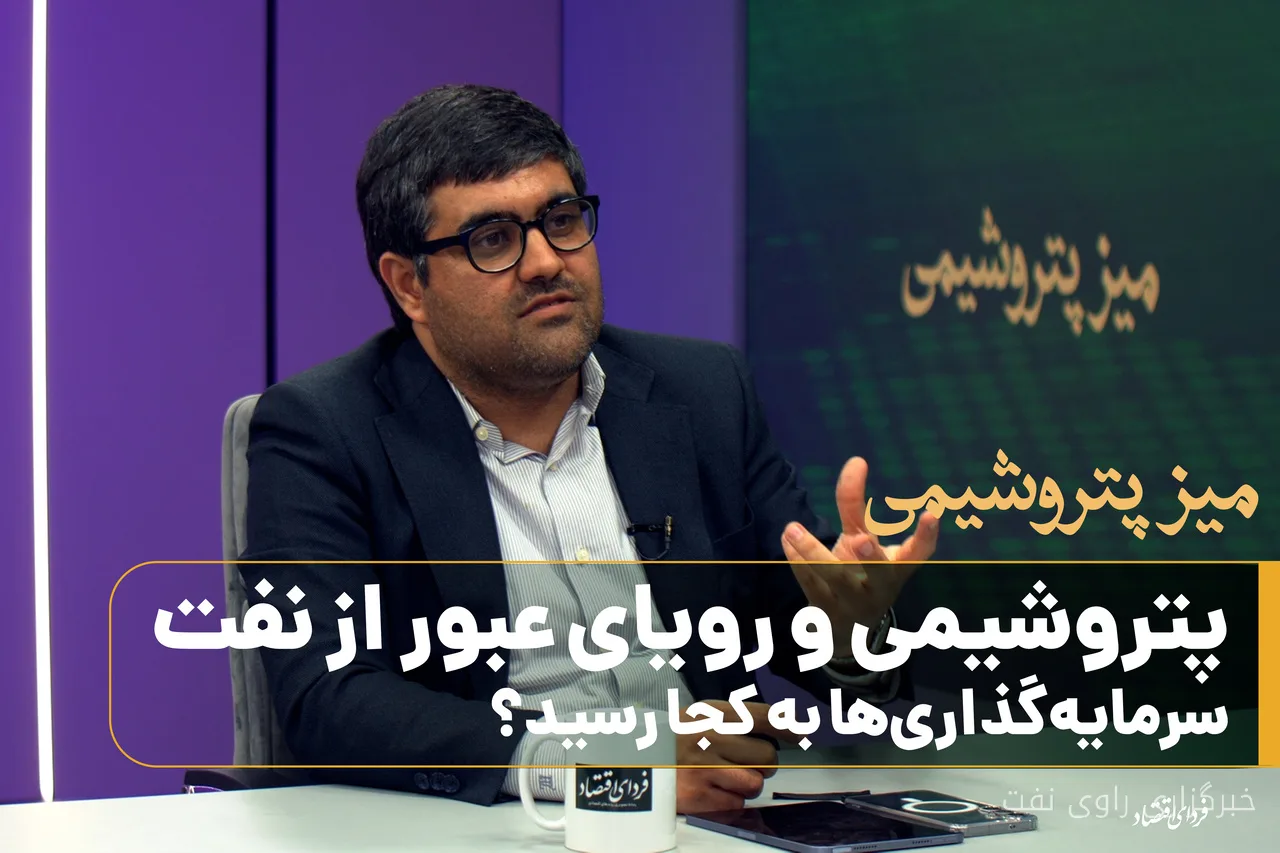
Yasser Mirzaei, an expert in the petrochemical industry, discussed the challenges facing Iran's petrochemical industry in the first part of the 'Petrochemical Roundtable' series and emphasized that the significant investments made to reduce economic dependence on oil have actually resulted in the export of semi-raw products.
Investment in South Pars
In recent years, more than $40 billion has been invested in the South Pars gas field. This field, which is considered the largest gas field in the world, has a daily production capacity of 120 million cubic meters of gas. Despite these investments, downstream petrochemical industries have been unable to achieve optimal productivity due to recession and inadequate development.
Read more: The CEO of Tavanir announced a sixfold increase in electricity supply to petrochemicals
Recession in Complementary Industries
According to Mirzaei, while it was expected that these investments would lead to the development of complementary industries and the creation of added value, the reality shows that most of the produced products are exported in a semi-raw form to foreign markets. This has led to a recession in downstream industries and a lack of job creation. In other words, the export of petrochemical products has become a normal practice instead of creating added value.
Mirzaei pointed out that the lack of attention to complementary industries and the focus on exporting semi-raw products has prevented Iran from utilizing its high potential in the petrochemical industry. He also referred to the managerial and planning challenges in this industry and stated that there is a need for a comprehensive strategy for the sustainable development of petrochemical industries.
The Need for a Change in Approach
The petrochemical expert believes that changing the approach from exporting raw products towards developing downstream industries and creating added value can help improve the country's economic situation. This change in approach requires government support, new investments, and the establishment of necessary infrastructure for the development of complementary industries.
In conclusion, Mirzaei emphasized that achieving economic independence and reducing dependence on oil can only be possible through the development of petrochemical industries and the creation of added value. This not only helps improve the country's economic situation but can also lead to job creation and an increase in national income.
Read more: OPEC raised the average price of the oil basket to $110.59 · 3.6% increase in the consumer inflation rate in the United States in September



