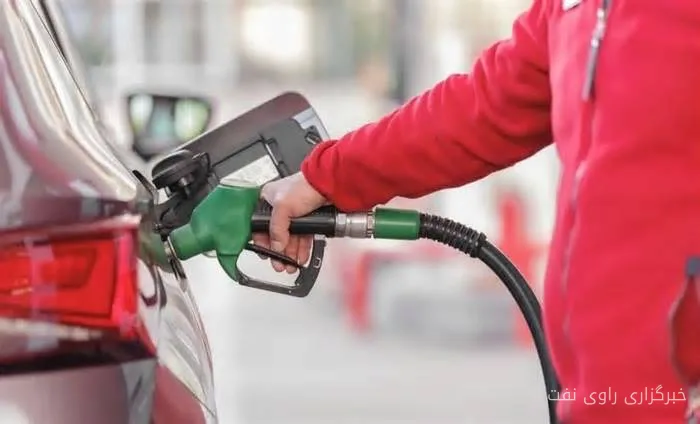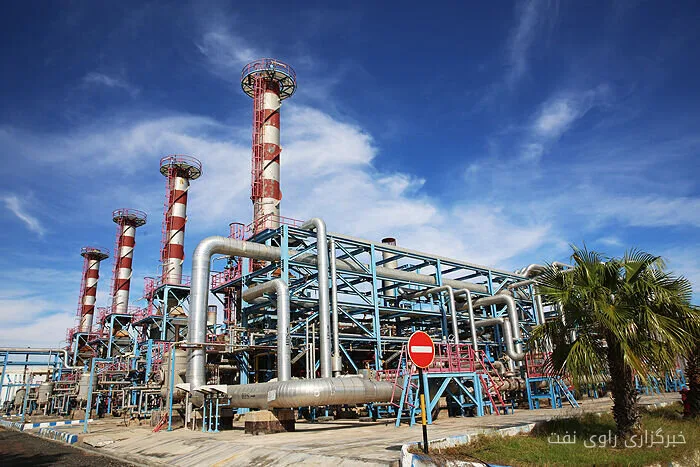
In today's world, with the increasing demand for clean and environmentally friendly fuels, it was expected that refineries would also lean towards producing gasoline and other higher-quality fuels. However, the reality is that refineries, especially older ones, still convert a significant portion of crude oil into mazut, which is a lower-value fuel.
Challenges faced by refineries in gasoline production
Refineries face multiple challenges, one of which is outdated and inefficient technologies. These technologies do not allow them to produce gasoline effectively and optimally. Additionally, the high costs of upgrading equipment and new technologies prevent many of these refineries from changing their production direction.
Moreover, producing mazut is more attractive for refineries due to the lower price of crude oil and lower processing costs. In fact, refineries can earn more profit by producing mazut, even if this fuel is recognized as a low-value fuel.
Environmental and economic consequences
The continuous production of mazut has been criticized not only for the pollution it creates but also for its negative impacts on public health and the environment. The use of mazut as fuel in industries and power plants can lead to the emission of dangerous pollutants. This is while society and governments are seeking to reduce pollution and improve air quality.
In this context, questions arise about energy policies and the future of fuel production in the country. Is it not time for refineries to shift towards producing cleaner and higher-quality fuels? Can upgrading technologies and investing in this area benefit society and the environment?
Ultimately, answering these questions could not only help improve the country's energy situation but also have positive impacts on the environment and the quality of life for people.