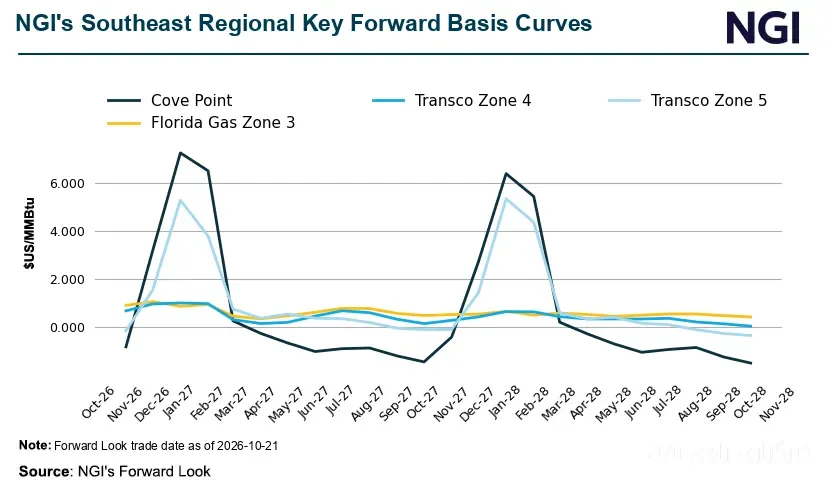
Warm weather forecasts and steady natural gas production are lowering natural gas prices as winter approaches. As the cold season draws near, the natural gas market faces new challenges, including inaccurate temperature predictions and high gas production.
Impact of Weather Forecasts
Warmer-than-usual forecasts for the winter season have led to reduced demand for natural gas. According to reports, above-average temperatures in many regions of the United States, along with strong natural gas production, have put pressure on prices. For instance, currently, the price of natural gas in the United States has reached about $2.50 per million BTU, indicating a significant decrease compared to previous months.
Read more: Henrik Jensen warns the shipping industry about remote worker management
Steady Natural Gas Production
Natural gas production in the United States has currently reached its highest level in history, contributing to increased supply and lower prices. Analysts state that natural gas production will remain high in the coming months due to improved efficiency in gas fields such as the Appalachian field and the Permian field. These fields alone have a daily production capacity of over 100 billion cubic feet of natural gas.
Alongside this, there are also optimistic signals in the market that may lead to price increases in the future. Some analysts believe that with the improvement of the economic situation and increased demand in upcoming seasons, prices may rise again to higher levels. In particular, increased demand for natural gas exports, especially through LNG facilities, could create upward pressure on prices.
Ultimately, while current forecasts indicate a decrease in prices, various factors such as demand fluctuations and global developments can impact the future of the natural gas market. Producers and investors should note that the natural gas market is heavily influenced by weather and economic conditions and should closely monitor market updates.
Read more: LBM prices in Rotterdam approach LSMGO · Increase in natural gas prices in Europe following energy disruptions in the Persian Gulf