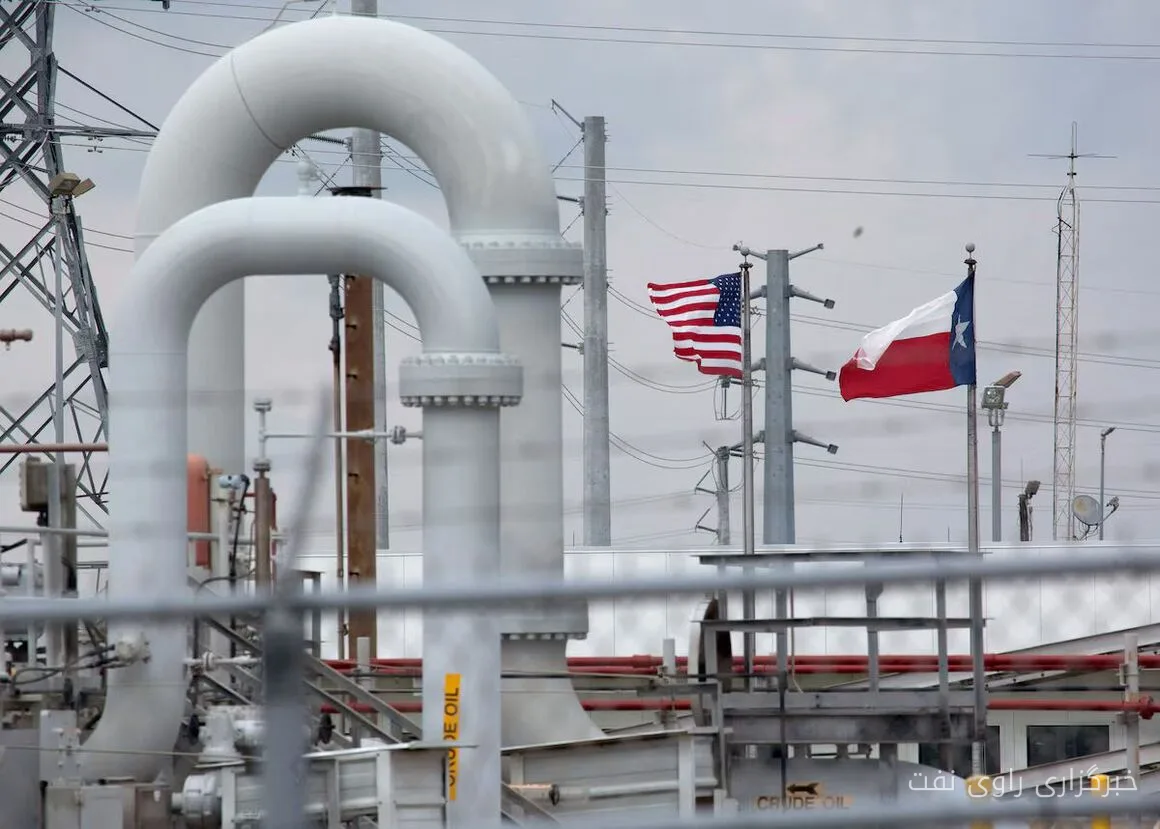
U.S. strategic oil reserves have decreased to 282.7 million barrels, the lowest volume since October 1982. Data from the U.S. Department of Energy shows that this decrease is due to an agreement made by the country with members of the International Energy Agency in March to withdraw 172 million barrels of oil from the strategic reserves.
Oil Withdrawal Agreement and Its Impacts
Members of the International Energy Agency agreed in March to withdraw an unprecedented amount of 400 million barrels of oil from strategic reserves to combat rising global crude oil prices. The U.S. share in this agreement was set at 172 million barrels. The previous U.S. administration, led by Donald Trump, provided this amount of oil as a loan to requesting companies, which are obligated to return the withdrawn volume plus 40 million barrels as interest to the government.
Read more: Aker BP has commenced operations at the Alveo Noor, Idun Noor, and Arne fields in the Norwegian Sea
Global Concerns About Oil Supply
However, analysts and executives from major oil companies worldwide have expressed concerns about the consequences of withdrawing from these reserves. Amin Nasser, CEO of the state-owned Saudi Aramco, announced earlier in October during a speech at the "Intelligence Energy Forum" in London that refilling global reserves could take up to two years. Meanwhile, Mike Wirth, CEO of Chevron, has also stated that the strategic reserves, which previously prevented a sharp increase in crude oil prices during the U.S. and Israeli conflict against Iran, are now nearing depletion, and the risk of price increases remains in the coming months.
Read more: Oil executives emphasized maximum production of South Pars gas · Decline in Brent and U.S. crude oil prices in the energy market



