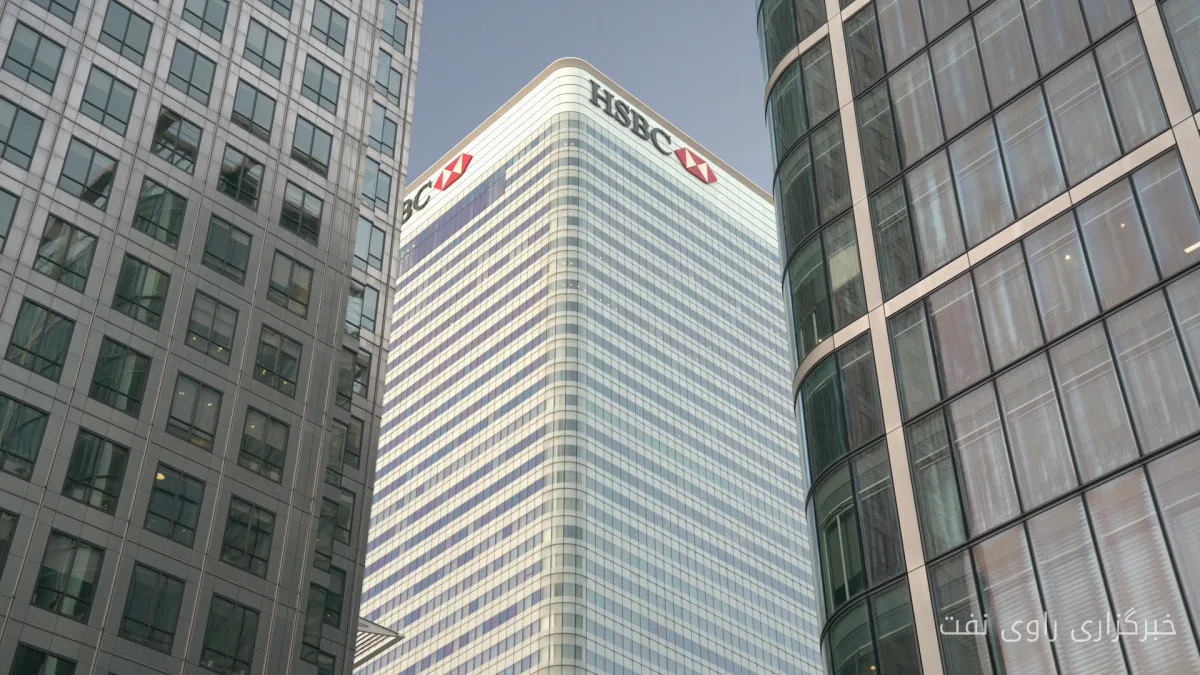
George Elhedri, CEO of HSBC Group, announced at the HSBC Future 2026 conference in Dubai that with the acceleration of plans to create alternative routes for transporting oil from the Middle East, the Strait of Hormuz may become an alternate route in the next five years.
Increased Pipeline Capacity
Elhedri stated: "Of course, we hope to reach a solution for the conflicts, but the Strait of Hormuz will likely become an alternate route in the next five years." This view from HSBC is driven by the urgency of oil-producing countries in the Middle East to increase pipeline capacity and build new lines to bypass the Strait of Hormuz and transport increasing amounts of crude oil and products from the Red Sea and Mediterranean ports.
Crude Oil Export Status
Before the war in Iran began in late February, the Strait of Hormuz was responsible for transporting one-fifth of the world's oil and liquefied natural gas flows. According to various estimates in recent weeks, crude oil exports have returned to near pre-war levels. However, the transportation of fuel and liquefied natural gas remains severely restricted, putting upward pressure on natural gas prices in Europe and Asia, as well as gasoline and especially diesel prices globally.
Efforts of Producing Countries
Earlier this month, CEOs of some of the largest Gulf oil companies called for foreign investments in new routes to bypass the Strait of Hormuz and to create and expand crude oil and fuel storage capacity outside this region and closer to consumers. For example, Saudi Arabia plans to increase the capacity of its East-West crude oil pipeline, which allows it to bypass the Strait of Hormuz, from 7 million barrels per day to 10 million barrels per day over the next two to three years. This news was announced by Saudi Energy Minister Prince Abdulaziz bin Salman at the WPC Energy Congress in Riyadh.
Additionally, Kuwait has intensified its efforts to establish storage sites outside the Middle East, while Iraq, another major Gulf producer, is considering reviving an old, inactive pipeline to Syria to transport crude oil from Iraqi fields to the Mediterranean coast of Syria.
Read more: Gulf Keystone and Shamaran Agreement to Merge Oil Fields in the Kurdistan Region · 7% Decrease in Singapore's Fuel Oil Stocks Despite Increase in Net Imports



