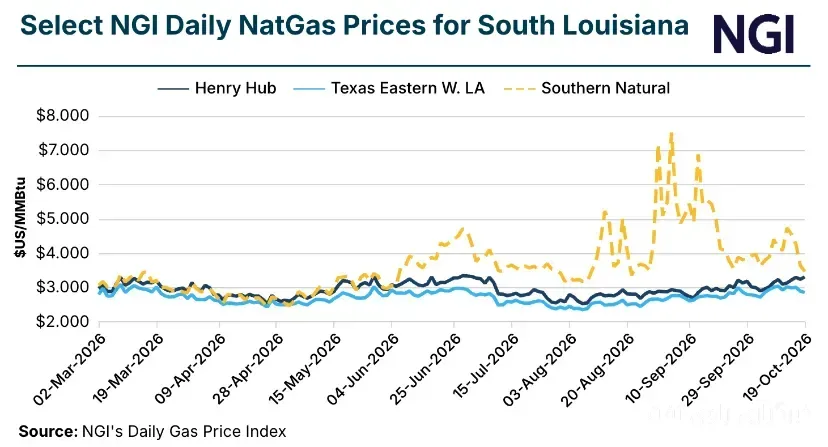
The efforts of natural gas buyers in the Persian Gulf to achieve more sustainable access to pipelines amid rising LNG demand have become a major challenge due to increasing competition for transportation capacity. The rise in LNG export demand has significant impacts on the natural gas market, prompting natural gas companies and consumers to rethink their resource supply strategies.
Challenges and Effects of Competition on Transportation Capacity
Following the increase in LNG demand, natural gas companies in the Persian Gulf are facing new challenges. These challenges include limitations in pipeline capacity and increasing competition among buyers for resource supply. Specifically, the rising demand for LNG in global markets has placed additional pressure on existing infrastructure, reducing the flexibility of these infrastructures.
Read more: Decrease in China's Oil Reserves and Its Impact on Global Oil Prices
Impact on Prices and Resource Supply
The reduced flexibility of pipelines and increasing competition for transportation capacity could lead to higher natural gas prices. This situation is particularly concerning for large consumers who rely on a stable and economical supply of natural gas. Natural gas companies must seek innovative solutions to secure their resources and reduce costs. Therefore, revising resource supply strategies and improving access to pipelines has become a priority for these companies.
As global demand for LNG continues to rise, it seems this trend will persist, consequently increasing the need for better access to transportation infrastructure in the Persian Gulf. These challenges not only affect the natural gas market but could also lead to structural changes in the energy industry.
Read more: Aker BP Commences Operations at the Alveo Nor, Idun Nor, and Erne Fields in the Norwegian Sea · Record Electricity Demand in the U.S. Natural Gas Market



