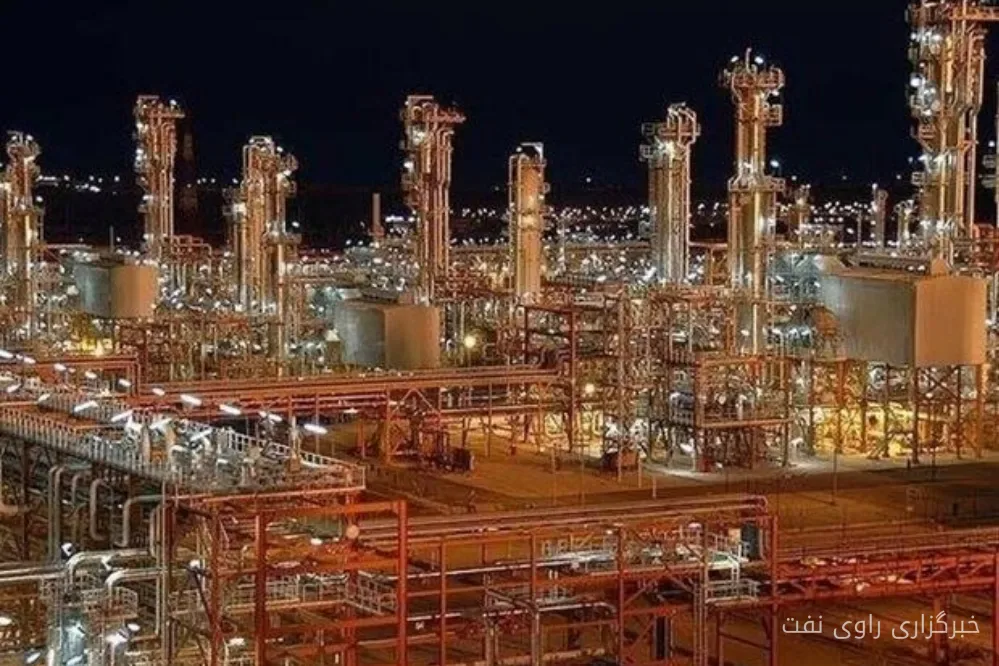
Abadan Petrochemical is one of the country's long-standing industrial enterprises, benefiting from production infrastructure and a historical position in the petrochemical industry, creating high expectations for its economic capacity. However, fully utilizing these capacities requires reforming the management structure, securing necessary capital, and employing efficient management methods. In such circumstances, transferring part of the company's shares to a qualified private sector can be considered a serious solution for overcoming low-yield situations and reviving production capacities to return to profitability.
Need for Change in Shareholding Structure
Experience from economic enterprises has shown that changing the shareholding structure, with the entry of a qualified investor possessing technical and managerial capabilities, can lead to a transformation in company performance. Examples of share transfers from companies under public institutions have also demonstrated that private sector participation can lead to increased revenue, improved productivity, and activation of the economic capacities of enterprises. Therefore, the transfer of Abadan Petrochemical should not be viewed merely as a decision regarding the composition of shareholders; rather, it should be assessed as an opportunity to rethink the management model of this industrial complex.
Read more: Alcajasta became the owner of eight bunker vessels by acquiring Energy Petrol
Structural Challenges and Need for Reform
One of the structural problems in Iran's economy is the continued direct involvement of the government and non-governmental public institutions in managing economic enterprises. The Social Security Organization, pension funds, foundations, public institutions, the Cultural Teachers' Saving Fund, and municipalities own numerous companies; while the primary mission of these entities is not necessarily the direct management of production units. Transferring part of the shares of these companies to qualified private sectors does not mean the end of the role of public institutions in the economy. These entities can still remain shareholders and benefit from the economic gains of the companies, but the management of the enterprise should be entrusted to a group that possesses industrial knowledge, financial capability, managerial experience, and the motivation necessary for developing economic activities.
Abadan Petrochemical is not an exception to this rule. Continuing operations with the current structure, without reforming the management model and securing development requirements, cannot alone guarantee optimal utilization of this complex's capacities. The entry of a qualified private sector can provide the possibility of securing new financial resources, modernizing equipment, upgrading technology, improving operational productivity, and revising cost structures. These factors, alongside a specific operational plan, can create the grounds for increased production, strengthening market position, and improving the company's profitability.
Ultimately, the principled transfer of Abadan Petrochemical can be a step towards reforming the ownership and management structure of enterprises affiliated with public institutions. This action, if designed correctly and accompanied by developmental commitments, will provide an opportunity for rebuilding production capacity, increasing productivity, and safeguarding the value of shareholders' assets.
Read more: Drone attacks on the port of Ost-Luga threaten Russia's oil export capacity · Kharak Petrochemical and Fanavaran participated in the China International Import Expo