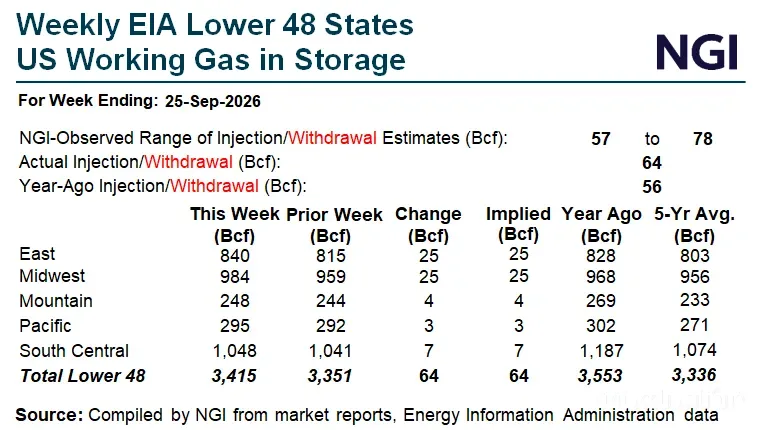
The futures price of natural gas fell on Thursday due to mild autumn weather and low seasonal demand, reaching below $3 per million BTU (MMBtu). This situation reflects the challenges present in the natural gas market, which is influenced by various factors.
Natural Gas Market Situation
The recent natural gas storage report, which was in line with analysts' expectations, failed to offset the pressure from mild weather conditions and weak seasonal demand. As a result, prices dropped by $3 to $2.95 per million BTU. This decrease indicates the market's inability to attract demand under current conditions.
Read more: Decrease in the Dry Cargo Freight Index to Its Lowest Level in a Month
Factors Influencing Prices
Notably, mild autumn weather typically leads to a decrease in heating demand, which in turn affects the price of natural gas. According to reports, weather forecasts indicate that temperatures in various regions will be significantly above average. This situation will be particularly impactful in November, which is usually a time of increased demand for natural gas.
On the other hand, the current level of natural gas reserves is adequate, which has also contributed to further price reductions. Estimates show that natural gas reserves in the United States are currently at 3.6 trillion cubic feet (Tcf), representing a 25% increase compared to last year.
Ultimately, the volatility of natural gas prices and their impacts on energy markets, especially during the cold season, necessitate continuous monitoring of weather conditions and demand. With the current situation persisting, prices are expected to remain under pressure until demand significantly increases.
Read more: Decrease in Initial Jobless Claims in the U.S. to 197,000 · U.S. Natural Gas Price Reaches Its Lowest Level in the Past Week



