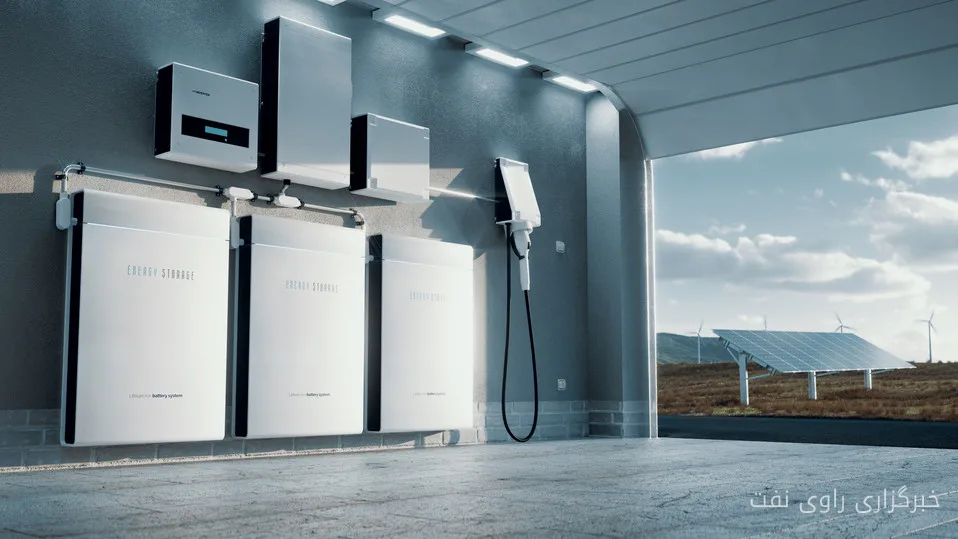
The United States has increasingly invested in virtual power plants (VPP), which act as a collection of small-scale electricity generation resources. These systems have the ability to provide electricity to the grid and can harness the untapped potential of thermostats, electric vehicles, appliances, batteries, and solar installations through coordination among hundreds or thousands of households and businesses.
Development of Virtual Power Plants in the United States
According to an internal analysis by Wood Mackenzie, the United States currently has over 40 gigawatts of VPP capacity. Although this figure is small compared to other energy sources, a report from the Department of Energy (DoE) predicts that VPP capacity will reach 160 gigawatts by 2030, equivalent to one-fifth of the country's projected peak energy demand.
Read more: Google Supplies 890 Megawatts of Nuclear Power from Constellation Energy
In Vermont, Green Mountain Power (GMP) has introduced a VPP initiative to address frequent power outages caused by severe weather events. This plan is based on installing two batteries in the homes of participants, costing $55 per month for a duration of 10 years. Over 5,500 people in Vermont have invested in similar battery systems.
Challenges and Opportunities of VPP
Virtual power plants help address existing energy challenges, including rising costs and congestion in the distribution system. For example, if utility companies could activate just 10 percent of the unused capacity of the grid, they could save consumers over $100 billion in the next decade.
Meanwhile, Virginia has recently passed a law for a 450-megawatt VPP pilot program. Minnesota has also committed to 200 megawatts of power. These types of programs can be implemented within six months to a year and can be developed much faster than gas or renewable energy projects.
With the use of artificial intelligence systems, VPP is considered an immediate source of electricity. This contrasts with the fact that developing new energy projects may take years. With infrastructure advancements and battery programs, GMP hopes to eliminate all power outages by 2030.
Read more: Uniper Places SAF Order with Syzygy Plasmonics · China Abandons Tariff Reduction Plan for Soybeans