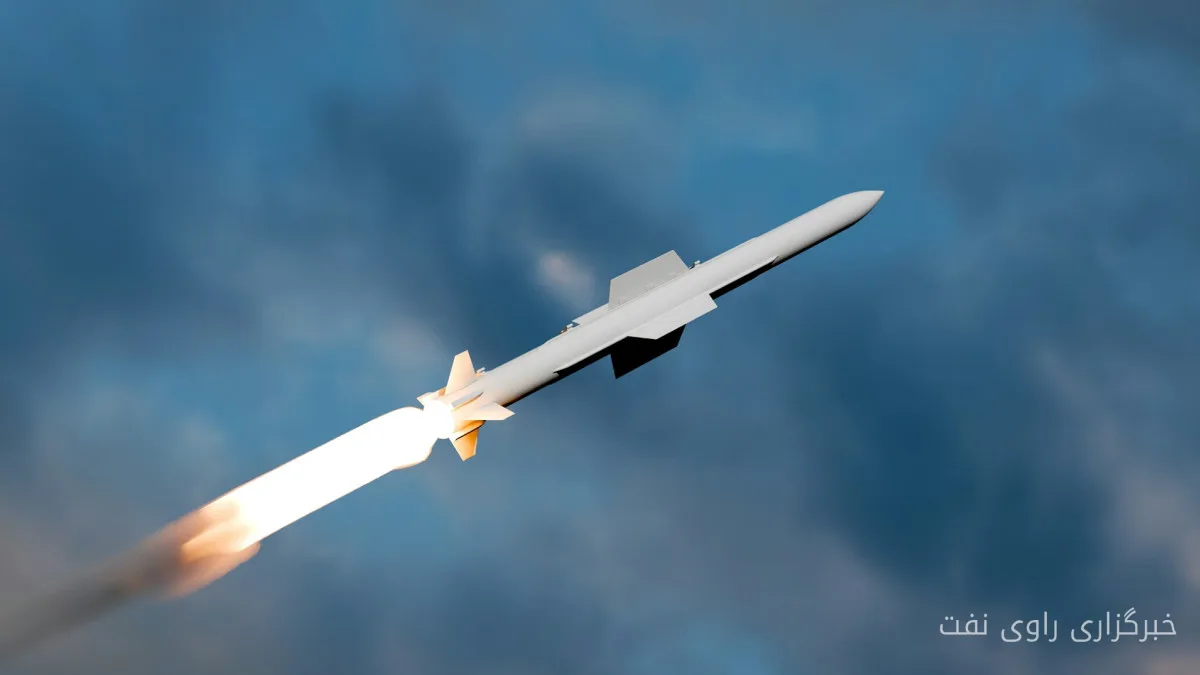
The United States deployed two Patriot missile batteries to Saudi Arabia and Qatar last month to protect the energy infrastructure of these countries from potential attacks by Iran. This action takes place amid increasing tensions in the region due to the ongoing war between Iran and the United States.
Details of the missile battery deployment
One missile battery has been sent to Saudi Arabia to protect a key oil field in the country. The other battery has been deployed to Qatar to support a natural gas site. This action follows comments from U.S. President Donald Trump, indicating that more serious decisions may be made if an agreement with Iran is not reached.
Read more: Increase in Gulf oil exports and military threats in the Middle East
Iran's threats and their impact on energy infrastructure
Energy infrastructure in Saudi Arabia and Qatar has repeatedly come under attack from Iran during the ongoing war. In early March, Iranian attacks damaged the world's largest liquefied natural gas site at Ras Laffan in Qatar, forcing Qatar Energy to halt major operations. Meanwhile, Qatar is also facing transportation issues in the Strait of Hormuz.
In Saudi Arabia, the latest serious threat to energy infrastructure was drone attacks on the East-West pipeline, which led to the closure of this pipeline for two weeks. This attack caused damage to pumping stations on September 10. Following these attacks, Saudi Arabia resumed minor operations on this pipeline, which is considered a key workaround for bypassing the Strait of Hormuz.
Full restoration of oil flows, averaging 4 million barrels per day, is likely to take several more weeks. Additionally, Saudi Arabia has once again resumed loading crude oil at the Yanbu port in the Red Sea.
Concerns about oil supply
Attacks on the East-West pipeline have raised concerns about oil supply from the Middle East at a time of rising global fuel prices. Meanwhile, the situation of tensions in the region is being closely monitored, and actions such as the deployment of Patriot missile batteries by the United States may help mitigate risks.
Read more: Increase in natural gas prices in the western United States due to LNG development in Canada · The United States has announced a ban on diesel exports



