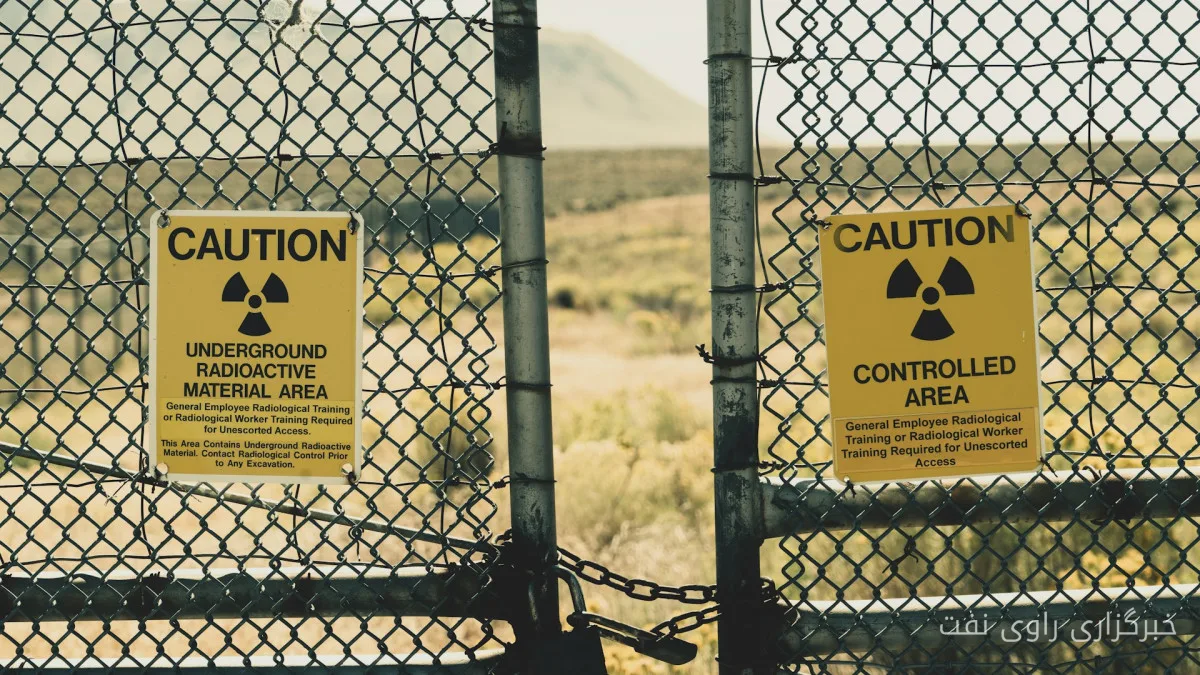
The United States is experiencing an unclear and challenging process for managing spent nuclear waste with over $50 billion in its nuclear waste fund. Meanwhile, Finland is recognized as a successful example in this field with the opening of the world's first permanent nuclear waste facility.
Challenges Facing the United States in Nuclear Waste Management
The United States is facing over 90,000 tons of spent nuclear fuel in temporary facilities across the country, which has become a public health threat and a financial burden for taxpayers. In contrast, Finland is addressing this issue by establishing a permanent nuclear waste repository called "Onkalo," which is capable of storing 6,500 tons of spent nuclear fuel and is designed to safely contain these hazardous materials in copper capsules.
Read more: Developing a Roadmap for Artificial Intelligence Development in the Oil Industry
Technology Applications in Onkalo
The Onkalo facility is located 400 meters underground in a rock bed and will safely store nuclear materials for 100,000 years using shock-absorbing soil. Once it reaches maximum capacity, the facility will be sealed and handed over to the Finnish government for maintenance and monitoring. This project, which has been under construction for 22 years, has recently received its official approval from the Finnish government.
While Finland continues to achieve success in nuclear waste management, the United States struggles with political issues and the lack of a sustainable policy in this area. According to federal laws, the United States has only one official repository for nuclear fuel, Yucca Mountain in Nevada, which has not received any funding from Congress for over 15 years. In fact, about 97,000 tons of spent nuclear fuel are stored at 75 sites in over 30 states in communities that have never agreed to this situation.
Economic and Political Consequences
Ongoing political changes in the United States not only harm the country's ability to make long-term commitments in nuclear waste management but also negatively impact the nation's energy policy as a whole. Any political regime change in the country leads to costly disruptions in federal funding cycles, severely affecting projects like long-term management of spent nuclear fuel. While the United States has sufficient financial resources to manage this waste, the need for congressional approval, which is heavily influenced by partisan disputes, complicates the process.
Ultimately, the current situation in the United States regarding nuclear waste management reflects an imbalance between financial resources and political decision-making that requires immediate attention and action.
Read more: Shin Yang Trading and Nippon Paint Marine Malaysia Collaborate to Strengthen Supply of Coatings in Eastern Malaysia · New U.S. Intelligence Report on China's Energy Weapons