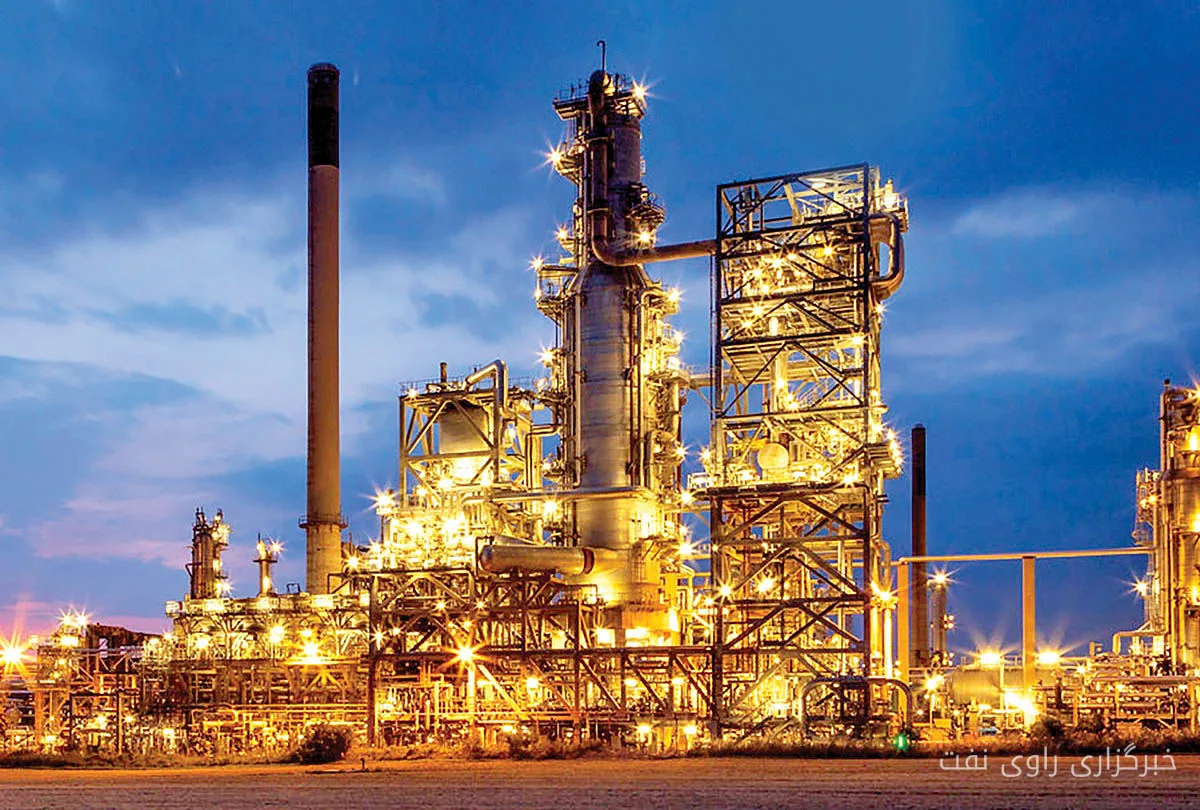
Fereydoun Asadi, the secretary of the Union of Exporters of Oil, Gas, and Petrochemical Products of Iran, discussed the gas supply situation for petrochemicals during the cold half of the year, stating: I doubt that this year we will face any specific issues in supplying gas to petrochemicals in winter; a significant portion of the capacity of this industry is still not in production.
Gas Consumption by Petrochemicals
Asadi pointed out the gas consumption levels of petrochemicals, stating: Petrochemicals consume about 50 million cubic meters of gas per day, while the daily gas production of the country is around 650 to 700 million cubic meters. Therefore, the gas consumption of this industry is not high compared to the total production of the country, and considering the events that have occurred for petrochemical units, a large portion of this capacity is currently not being utilized.
Read more: Decrease in Tanker Traffic in the Strait of Hormuz Due to the Shutdown of the Saudi Pipeline
Return of Damaged Capacities
Asadi continued: Given the current conditions, it is unlikely that the gas supply for petrochemicals will face serious problems this winter. However, this does not mean that the gas imbalance in the country has been resolved; rather, the reduced demand pressure in the petrochemical sector is largely due to the units being out of production.
Regarding the return of damaged petrochemical capacities to production by the end of the year, he said: It is very difficult for petrochemicals to return to production by the end of the year, and one cannot expect a significant portion of the lost capacity to be revived in a short time.
Asadi also referred to the capacity for gas imports from neighboring countries, stating: One of the capacities that could be utilized in managing the energy imbalance is the import of gas from Turkmenistan. Currently, the necessary infrastructure for the daily import of about 40 million cubic meters of gas from Turkmenistan exists in the country, and there is no need to construct a new pipeline to utilize this capacity.
This amount of import is almost equivalent to the daily gas consumption of petrochemicals and, if trade conditions are favorable, it could alleviate some of the existing pressure on the country's gas balance. However, whether Turkmenistan is currently ready to trade gas with Iran is another matter, but from an infrastructural perspective, this capacity exists in the country.
Asadi pointed out the historical energy relations between Iran and Turkmenistan, adding: The import of gas from Turkmenistan has not been pursued consistently and sustainably in previous years, and alongside this, Iran has faced interruptions in energy contracts with regional countries. For this reason, some of the capacities that could have helped supply the country's energy during periods of increased domestic consumption have been removed from the cycle.
He also referred to the capacity for crude oil swaps, stating: During the reformist government, the capacity for crude oil swaps from the northern Caspian Sea countries was established, allowing for the transfer of about 500,000 barrels of oil per day, but this capacity was also halted later.
Asadi emphasized: Energy diplomacy can be one of the tools for managing the imbalance alongside domestic production. Iran, due to its geographical position and proximity to energy producers and consumers, has significant regional capacities that can be utilized to meet part of the country's needs.
As a result, this winter for the petrochemical industry should be viewed differently from the patterns of previous years. Although the decline in production capacity has reduced the likelihood of direct gas limitation pressure on active units, at the same time, part of the revenue-generating and export capacity of the industry has also been removed from the production cycle.
Read more: TotalEnergies Secured $1.8 Billion Investment from GIP for African Assets · Progress in Kino Aski LNG and Kanata LNG Agreements in Canada