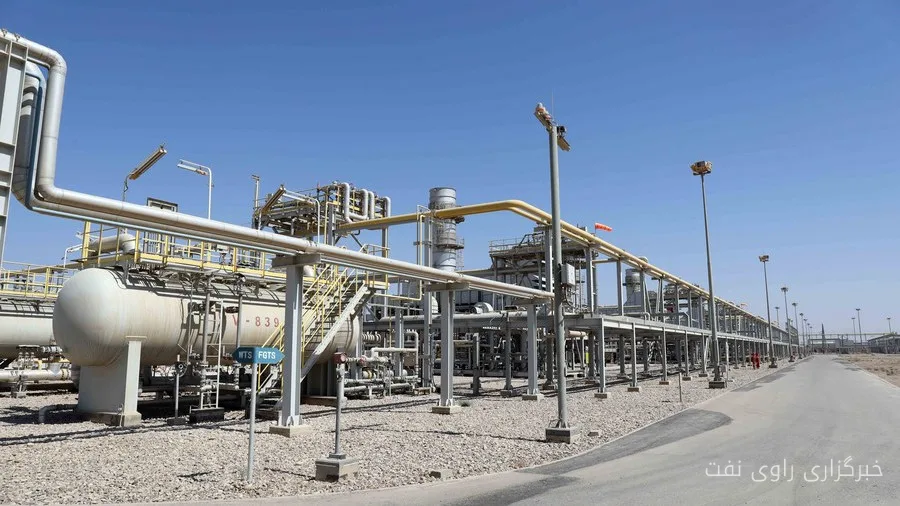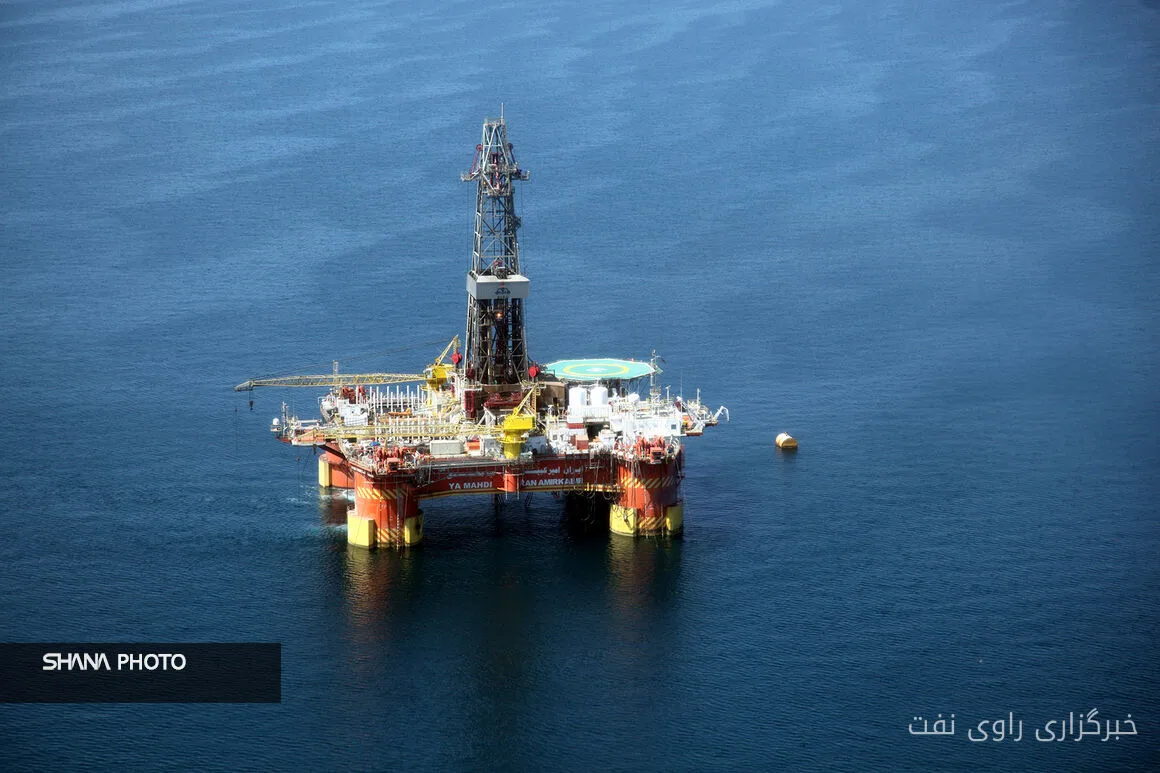
The seismic survey project of the transitional zone in the western part of the Golestan Plain, executed by Caspian Oil Company, has been completed. This project was conducted over an area of 2500 square kilometers and involved the collection of approximately 853 kilometers of two-dimensional seismic lines. Of this amount, 60 percent was onshore in the western Golestan Plain and 40 percent was located in the eastern Caspian Sea.
Details of the Seismic Survey Project
Mohammad Hossein Daneshfar, CEO of Caspian Oil Company, announced that the collection of seismic data for this project will be completed in Ordibehesht 1404. After this phase, data processing will be carried out in two formats, PSTM and PSDM, and the interpretation phase will begin in Esfand 1404. These stages will aid in identifying various structures.
Results and Future Plans
Daneshfar also referred to the collaboration with the Exploration Management of the National Iranian Oil Company in executing this project and added: The results obtained from the processing and interpretation of data have led to the identification of several exploratory structures in the western Golestan province and Block 13 of the Caspian Sea. Based on the results obtained, drilling an exploratory well in this area has been approved in the plans of Caspian Oil Company for 1406.
This project is considered an important achievement in the development of exploratory activities in the Caspian Sea, and its successful completion can be an effective step towards identifying and exploring hydrocarbon reserves in the transitional zone of the eastern Caspian Sea.
Importance of the Caspian Sea Region
The Caspian Sea is recognized as one of the areas of interest for Caspian Oil Company for exploring hydrocarbon resources. Seismic studies in onshore, offshore, and transitional zones between land and sea help in identifying structures suitable for exploration. Previously, a two-dimensional seismic survey project of the transitional area between land and sea in the eastern Caspian Sea was planned to integrate exploratory information from the southern Caspian basin and identify suitable drilling locations.