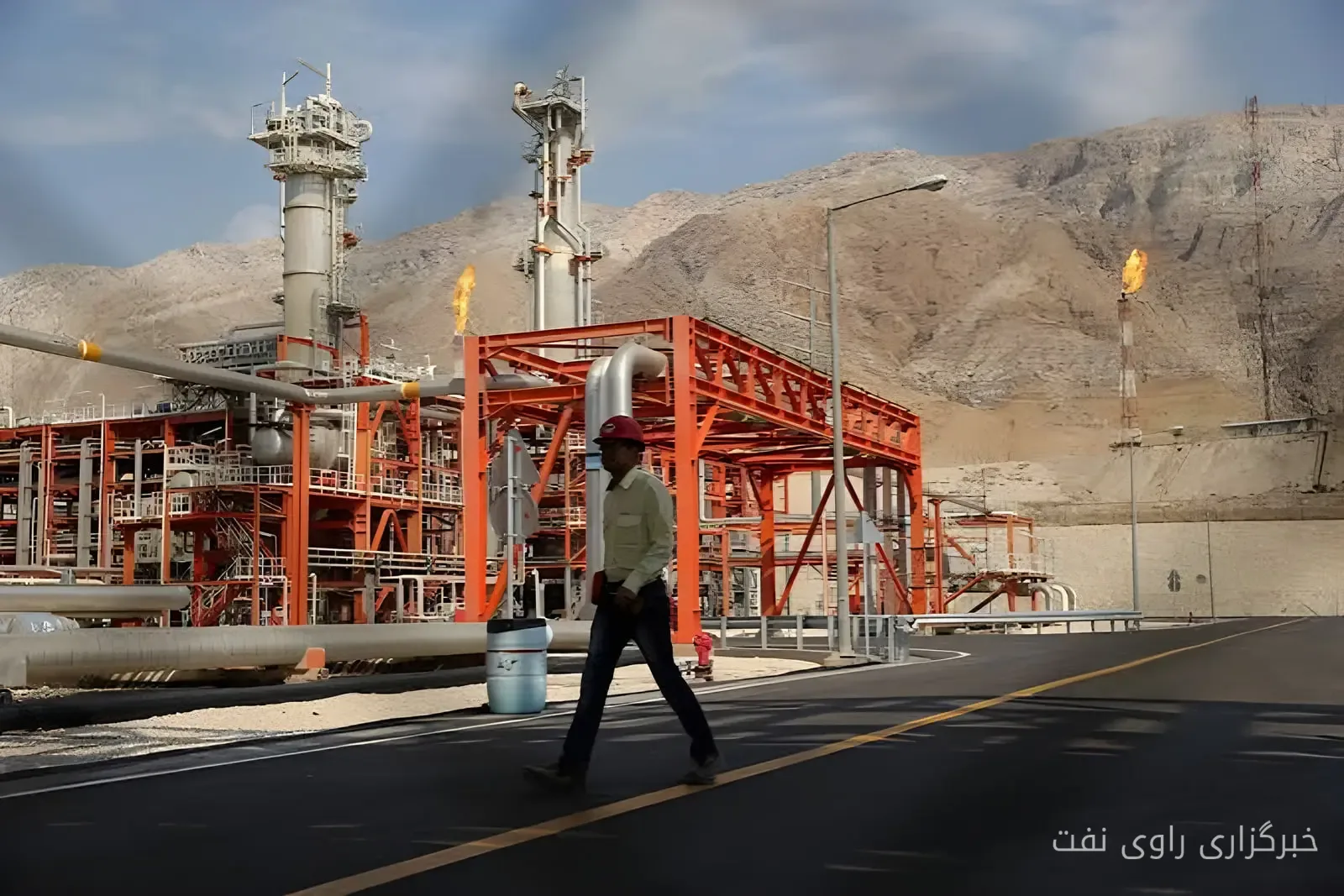
The Ministry of Oil has issued a new guideline for pricing feedstock and oil products with significant changes in the calculation coefficients. This new formula particularly includes fewer changes for the first six months of 1402, but from the beginning of autumn, adjustments will be made to the settlement coefficients and quality bonuses and penalties.
Details and Changes of the New Formula
According to initial assessments, some new coefficients have improved compared to the past. Saheb Arjomand, the financial deputy of Isfahan refinery, noted that the new formula could have a maximum impact of 10% on the status of refineries, although a more detailed examination of the financial effects of this guideline is still underway.
Read more: Oil, the Proud Industry of the Resistance and Resilience Test
The details of the new pricing formula indicate that the fraction of the price of heavy oil has changed from negative 6 to negative 4.1 and light oil from negative 5 to negative 2. These changes could assist in the pricing process and cost analysis in refineries.
Quality Penalty Mechanism and Emergency Clause
One notable point in this guideline is the intensification of the quality penalty mechanism. Specifically, each 1% negative deviation from indicators such as octane number or sulfur will result in a 0.2% reduction in the value of the product. This change could lead to improved product quality and increased competitiveness of refineries.
Additionally, maintaining the "emergency clause" allows the Ministry of Oil to implement alternative formulas to stabilize costs and control price shocks in critical conditions. This clause can serve as a tool for price management when the market is under pressure.
Given these changes and adjustments in the pricing formula, it is expected that refineries will be able to improve their financial and operational status by adopting appropriate strategies. This action by the Ministry of Oil can be seen as a positive step towards enhancing quality and reducing costs in Iran's oil and gas industry.
Read more: Saudi Arabia Reaches a Crude Oil Export Capacity of 10 Million Barrels Per Day · Shahram Ahmadi Emphasized the Necessity of Professional Competence for HSE Managers



