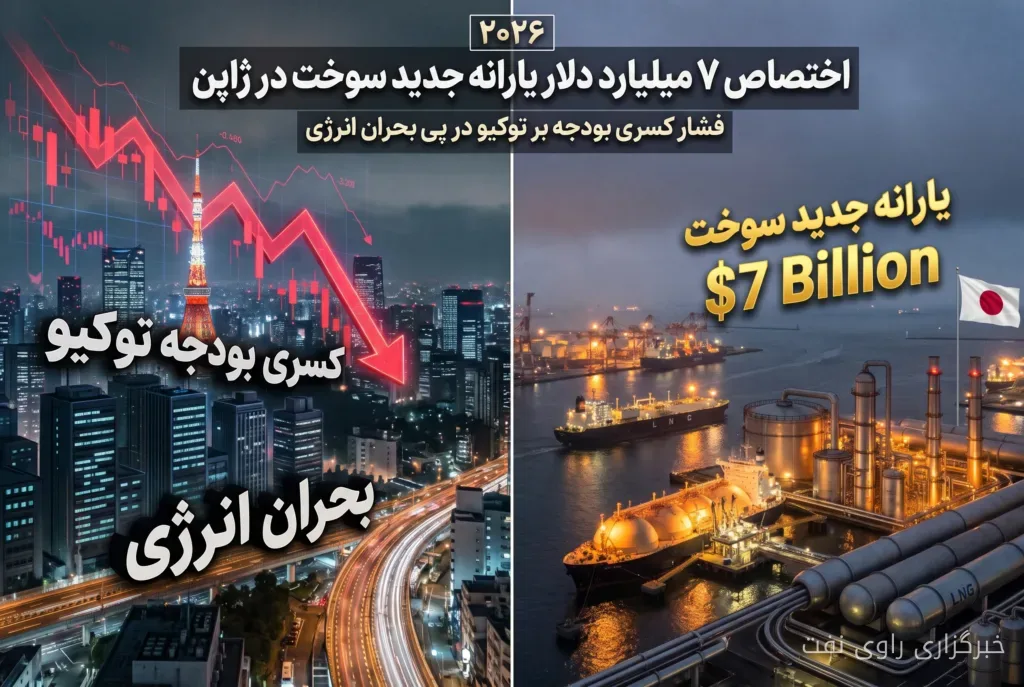
The Japanese government injected 1.1 trillion yen (about $7 billion) from its emergency reserves into the fuel subsidy plan to prevent a spike in gasoline prices and curb inflationary pressure on consumers. This support mechanism, which has been implemented since March following conflicts in the Middle East, has managed to stabilize the average gasoline price at around 170 yen per liter; an action that, while cushioning the livelihoods of households and the transportation sector, has imposed a heavy financial burden on public resources.
Beginning of a Gradual Exit from Fuel Price Stabilization Policy
As budgetary costs increase, the Tokyo government has developed a strategy for a gradual exit from the comprehensive support umbrella. According to Sanae Takaichi, the Prime Minister of Japan, starting in December, the subsidized gasoline pricing will increase by 5 yen per liter each month to gradually reduce the burden of subsidies. This approach indicates that the government, in order to prevent a deepening financial deficit, must inevitably inject some of the realities of global market prices into the domestic consumption cycle.
Read more: Analysis of the Impact of Domestic Shareholder Ownership on Economic Resilience in Europe
Tokyo's Achilles' Heel; Critical Dependence on the Strait of Hormuz
An examination of Japan's energy supply structure reveals the depth of vulnerability of this industrial giant to maritime tensions; the country sources over 90% of its crude oil needs from West Asia, about 70% of which must pass through the strategic chokepoint of the Strait of Hormuz. Disruptions in shipping lines, astronomical increases in tanker freight rates, and unprecedented rises in war risk premiums have escalated the cost of energy delivery to this country and posed technical and logistical challenges to fuel supply security.
Alongside currency subsidies, Tokyo has released part of its strategic oil reserves into the market as part of coordinated programs with the International Energy Agency. However, analysts believe that releasing reserves and injecting liquidity are temporary measures, and neither can replace a stable and secure flow of physical oil exports from the Middle East; a reality that shows the crisis extends beyond the nominal price of each barrel of oil, with logistics, insurance, and transit becoming the main determinants of energy costs.
Read more: Bank of America Moves Its Forecast for Federal Reserve Rate Hike to December 2026 and March 2027 · China's Mineral Resources Group Approaches Control of Iron Ore Prices