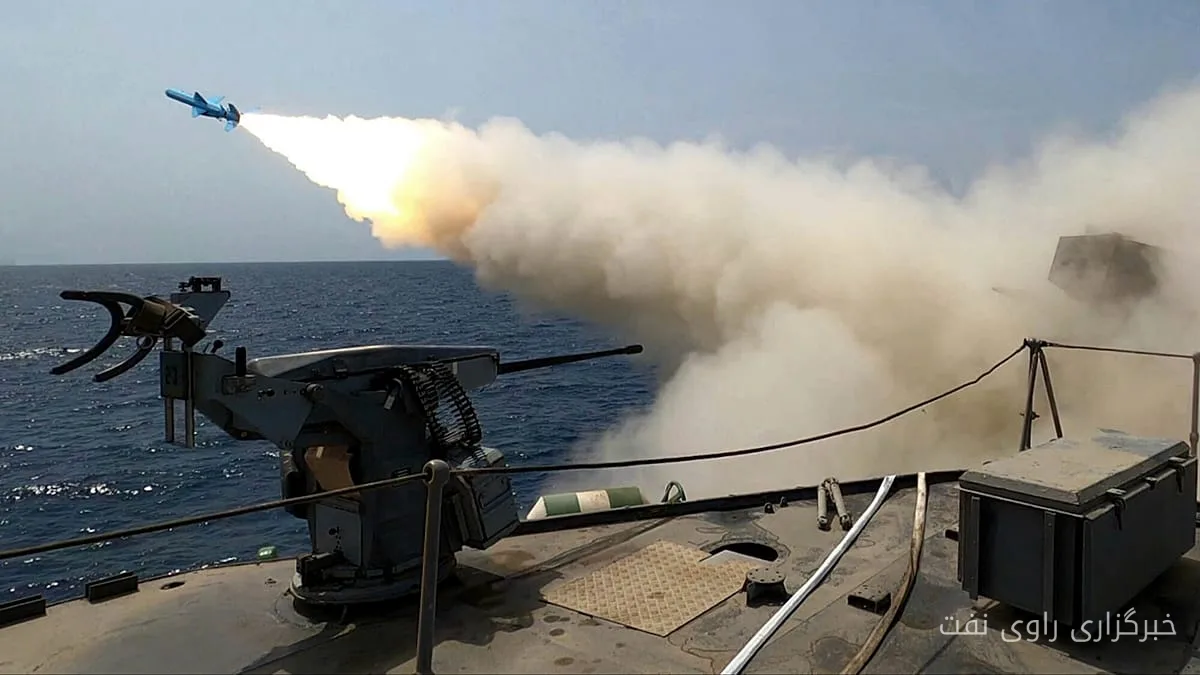
The Strait of Hormuz, which is considered one of the most important and strategic waterways in the world for oil transportation, is currently at the center of the Iran-U.S. dispute over the conditions for its reopening. This strait averages about 20 million barrels of oil per day, and therefore, any tension in this area can have profound effects on the global oil market.
Political and Economic Impacts on Oil Prices
The impacts of political tensions in the Strait of Hormuz on oil prices in the global market are clearly visible. Following increased hopes for diplomatic agreements between Iran and the United States, oil prices in the global market have decreased. This price drop is due to a sense of improved security in the region and reduced concerns about disruptions in oil transportation.
Read more: Stability and Weakness in Iron Ore Prices and Steel Production in China
Security Challenges and Diplomatic Solutions
Despite the decrease in oil prices due to hopes for an agreement, security challenges remain. Iran is seeking guarantees for the security of the Strait of Hormuz and freedom of navigation in this route. On the other hand, the United States is looking to ensure that Iran does not have access to financial and military resources. This conflict of interests naturally affects the negotiation process.
Meanwhile, other oil-producing countries are also affected by these tensions. Especially the Gulf countries, which are heavily dependent on the Strait of Hormuz, are concerned about the consequences of this dispute on their oil market and economy. This could lead to price increases in the event of any military tensions.
Potential Consequences for the Global Oil Market
Ultimately, the situation in the Strait of Hormuz, as one of the key points for oil shipping, has a direct impact on the global oil market. For example, if tensions increase and a disruption in oil transportation occurs, price increases can be expected. Conversely, if an agreement is reached and tensions decrease, prices may return to their previous levels.
As a result, the Strait of Hormuz is not only a vital route for oil transportation but also serves as an important indicator for oil prices in the global market. Therefore, monitoring the status of this strait and related developments in the Iran-U.S. negotiations is essential for all players in the oil market.
Read more: Managing Household Gas Consumption Considering the Gas Imbalance in Iran · Decrease in B30-VLSFO Prices in Rotterdam Despite Rising Raw Material Costs