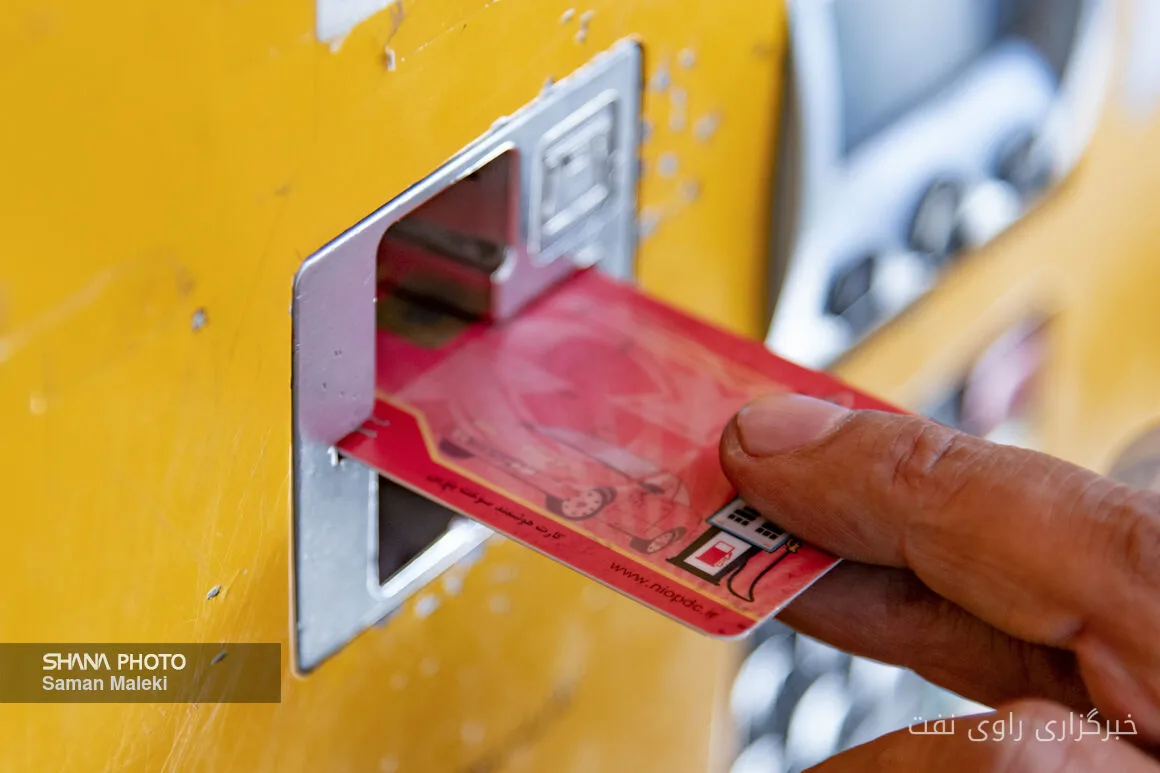
The Identification Card Scheme for Emergency Cards in Tehran has started as a new tool to improve the refueling process. The emergency card, which has been used for years to serve individuals who do not have access to their personal fuel cards, previously did not effectively record the consumer's identity information. This issue had led to a decrease in transparency in fuel distribution.
Refueling Statistics with Emergency Cards
According to the latest statistics, in September of this year, about 40 percent of the country's gasoline refueling was done through emergency cards. This significant share of national resource distribution highlights the necessity of creating a mechanism for more precise transaction recording and analysis.
Read more: Global Shipping Report October: U.S. Container Imports Reach Highest Recorded Volume for September
Changes in the Refueling Process
With the implementation of this scheme, refueling transactions through emergency cards will be linked to the consumer, thus making refuels no longer anonymous. One of the important goals of this scheme is to facilitate public access to emergency cards. Additionally, the allocation of fuel to online platforms based on performance and rescue vehicles will also be facilitated. In the new mechanism, the possibility of refueling with emergency cards will be available around the clock, minimizing reliance on ad-hoc decisions by stations.
Data-Driven Fuel Management
This scheme is considered one of the steps towards a data-driven fuel management approach in the refining and distribution industry. By recording information related to time, location, and consumer, the ability to analyze consumption patterns and identify unusual behaviors is increased. This is particularly important in border cities where off-network fuel supply is more significant, as it can help identify and manage unconventional consumption flows.
The identification of transactions also allows for the matching of refueling transactions with banking transactions, which will help implement more precise policies for fuel allocation and withdrawal. Ultimately, this scheme could lead to increased equity in access to fuel resources and reduce the misuse of emergency cards.
The pilot implementation of this scheme began a few days ago in Tehran, and its results could serve as a basis for the development and evolution of this scheme in other parts of the country.
Read more: Mahras Reviewed the Conditions of the Maritime Transport Market in October 2026 · Unanswered Questions About 80 Million Barrels of Oil and Four Tracers



