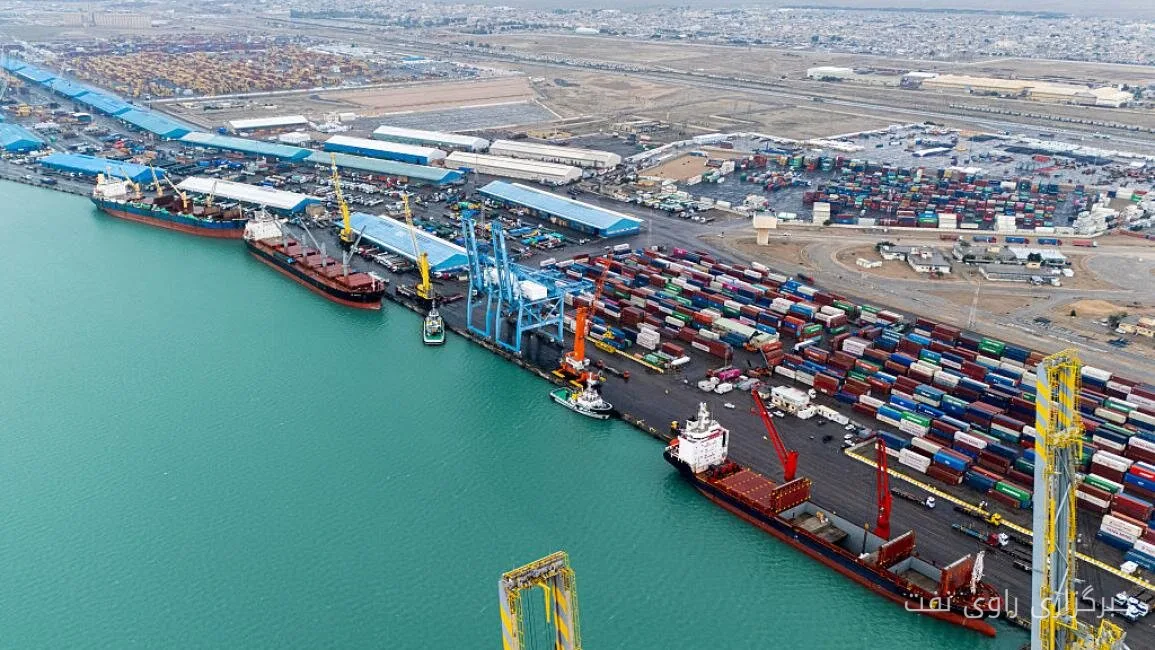
Iraq, as one of the largest oil producers in the world, is currently facing serious economic problems due to the Hormuz Strait crisis and the U.S. and Israeli regime's war against Iran. Fuel tankers in Basra, the main hub for the country's oil exports, have ceased operations, and workers report wage cuts and layoffs.
Production Decline and Layoffs
Fawzi, a 22-year-old who works at a private maintenance company in Basra, has clearly felt the negative effects of this crisis. According to him, his company reduced wages by 20% and then cut them to half. This trend has led to dozens of employees being laid off, and Fawzi now only goes to work 15 days a month.
Many other employees have also reported wage cuts and layoffs in companies operating in oil fields and ports. A large portion of Basra's residents depend on the oil industry, and this crisis has clearly affected their livelihoods.
Impact on Oil Exports
Before the crisis began, Iraq produced about four million barrels of oil daily and exported an average of 3.4 million barrels per day. However, now with the closure of the Hormuz Strait, production in most oil fields has severely declined. To compensate for this disruption, Iraq has resumed oil exports through Syria and Turkey, but this amount is only a small fraction of previous exports.
According to data from the ship tracking platform, Iraq's oil exports reached over three million barrels in the first week of September. However, low oil prices and rising consumer costs in Iraq have led to a decrease in the value of the dinar and concerns in the markets. Iraq's foreign reserves have also decreased by about $20 billion, and Iraqi officials have turned to domestic borrowing.
Status of Umm Qasr Port
The Umm Qasr commercial port, once filled with cargo ships, now has almost no activity. Workers at this port are facing wage cuts and layoffs. Salem Jabbar Hussein, the manager of the northern Umm Qasr port, points to the negative impacts of the war on port activities, stating that real activity will only return when the Hormuz Strait reopens.
In this situation, Basra's citizens are also suffering from reduced sales and unemployment. Zaid Hadi, the owner of an electronics store, reports that his store's sales have dropped by half, attributing this situation to rising transportation costs and wage cuts.
The Hormuz Strait crisis began on February 28 and has put Iraq under severe economic pressure due to restrictions on shipping in this waterway. Given Iraq's dependence on oil exports, experts emphasize that the need for diversification in the country's income sources is more pressing than ever.



