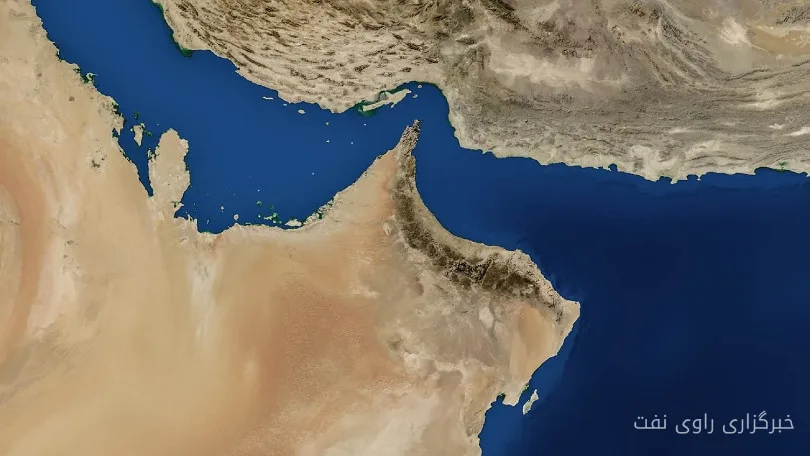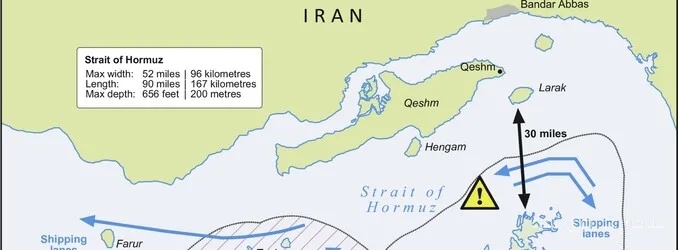
The Hormuz crisis has become a major challenge for oil and gas planners over the past eight months and can no longer be considered a short-term disruption. This topic was discussed in a specialized panel titled "Energy Realism: Economics, Politics, and the Transition Ahead" at the annual SPE conference in Houston, Texas.
Impact of the Crisis on Historical Models
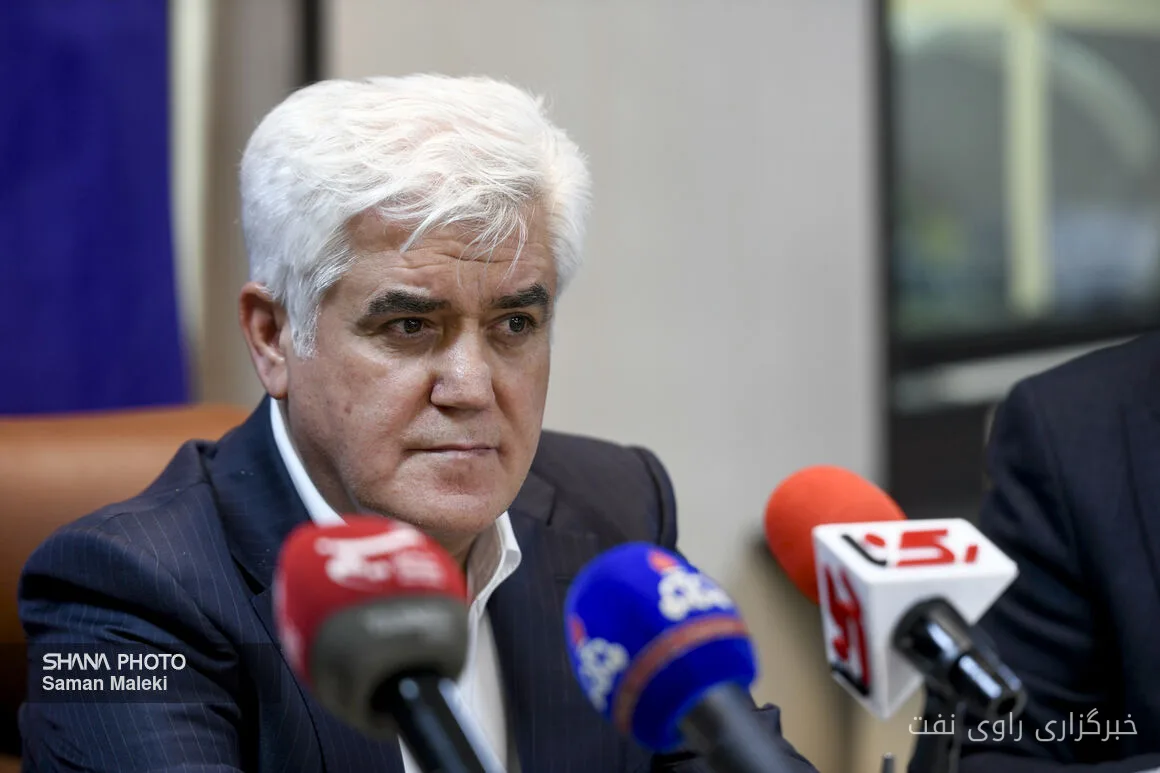
The panelists included Michael Cohen from bp, Michel Foss from the Lacad Network, Robert McNally from Rapidan Energy Group, and Robert Shwarz Jr. from Chevron. McNally, the founder and president of Rapidan, stated, "I don't think many people thought before February 28 that the United States would allow a competitor to disrupt hydrocarbon flows from the Gulf for more than two or three days."
Read more: Oil prices rise to $112 following Houthi attacks on Saudi Arabia
Changes in Energy Security
Shwarz, Chevron's chief economist, pointed to the challenges posed by this disruption, saying, "This clearly challenges the concept of reliability and energy security." He also predicted that investment structures in the industry will change significantly. However, he added, "Demand outside the economies affected by shortages has been truly resilient."
McNally also emphasized the importance of building resilience against the risks of the coming decades, stating, "I now have to consider decades of potential risks from this region." He mentioned increased storage, twin pipelines, and export routes from Kuwait and Iraq to the Mediterranean Sea, and also expects key Gulf producers to create storage in more remote areas in the next two to three years.
Cohen, an economist at bp, believes that industry tools are part of the problem and that the transition to a new energy system that considers added value and flexibility will come with costs. He noted that the recent crisis showed that China is capable of adjusting its demand by three to five million barrels per day.
Foss, a consultant with the Lacad Network, pointed to the challenges posed by long-term events, stating that if policies that reduce refining capacity in Europe are pursued, serious problems will arise in the event of a major incident in the Middle East.
McNally expressed cautious optimism for the future, saying, "As long as our systems remain dynamic and free, I am cautiously optimistic that we will navigate through these crises."
Read more: 10.9% decrease in global oil product attacks and increase in revenues · Extension of the deadline for submitting the proxy for the purchase of Taban shares