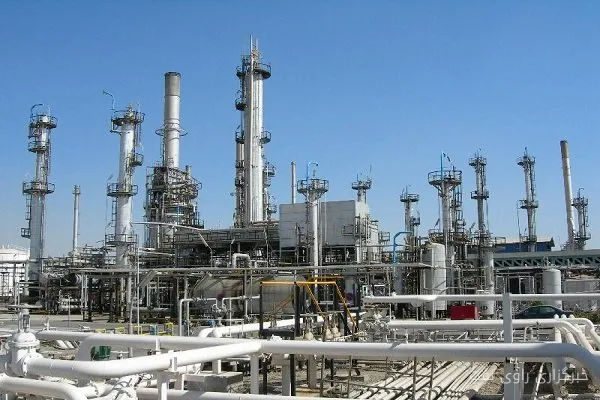
The gasoline imbalance in Iran has become a serious crisis due to the outdated structure of refineries and the high conversion of heavy fuel into fuel. With an unprecedented surge in fuel consumption and the heavy shadow of imbalance that has once again brought the costly issue of gasoline imports to the forefront of economic concerns, expert circles have once again turned their attention to the operational lines of the country's refining industry.
Technological Challenges and Refinery Capacities
The fundamental root of the existing challenges is more a result of the deep technological gap and the outdated process layout in old refining facilities than a lack of physical capacity to receive crude oil feedstock. The key variable in achieving fuel balance is not the daily processing volume, but the efficiency of extracting valuable products such as gasoline, diesel, and aviation fuel from each barrel of crude oil compared to the share of low-value residual products like heavy fuel.
Read more: Significant Reduction in China's Oil Imports and Its Impact on Iran's Oil Exports
While advanced refineries around the world have managed to minimize the share of fuel oil by employing a chain of deep conversion units, a large portion of the country's oil refineries, due to decades-old technology, still convert a massive amount of their input into heavy fuel. This pattern has not only led to a decline in the quality and quantity of gasoline but has also put additional pressure on the currency balance and the environment.
The Necessity of Modernizing Refineries
Correcting the imbalanced ratio between gasoline and heavy fuel requires the establishment of a set of secondary and complementary facilities, including fluid catalytic cracking units, hydrocracking, hydrotreating, and delayed coking technologies. Each of these units plays a pivotal role; catalytic cracking units are responsible for breaking down heavy molecules and converting them into valuable gasoline components, while hydrocracking processes produce intermediate distillates that meet the highest quality standards through deep desulfurization.
The absence or limitation of operational capacity of these technologies in the country's crude oil refining facilities is the main driving force behind the high share of heavy fuel and the significant decline in the quality indicators of the delivered fuel. This issue has directly degraded the final quality of the produced gasoline.
Experts believe that the structural challenge of the oil refining industry in Iran is not merely influenced by the quantity of processing, but the core issue lies in the unbalanced process arrangement. As long as deep conversion projects such as hydrocracking and upgrading heavy residues in old facilities do not reach full operational capacity, the country effectively loses a large portion of the thermal and financial value of crude oil in the form of cheap heavy fuel.
Read more: Collaboration of Small Industries in Khuzestan with Oil Projects in Iraq · Ukrainian Airstrikes on the Novoshakhtinsk Refinery in Russia



