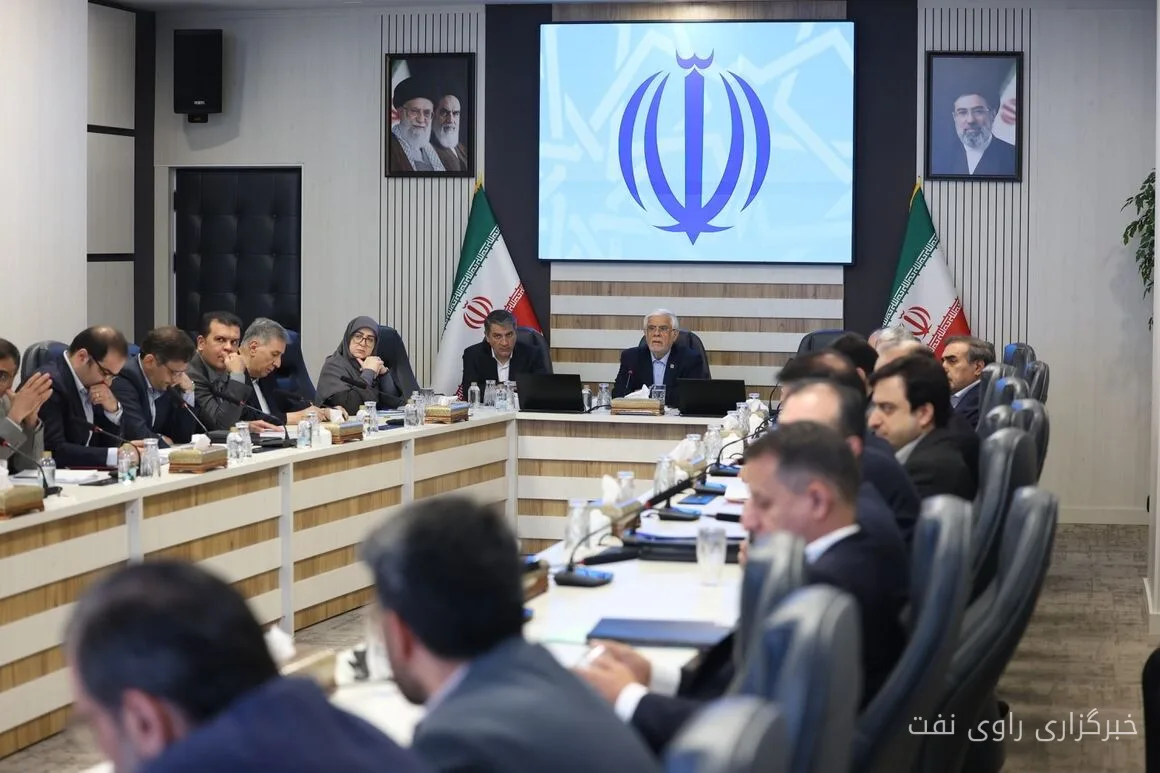
Mohammad Reza Aref, head of the Economic Coordination Headquarters of the government, addressed the challenges and opportunities of the country's economy in today's meeting (Tuesday, October 5). He referred to the threats and pressures on the national economy and noted that the country's capacities have increased compared to the eight-year war period.
Budgeting in Different Conditions
Aref emphasized that both the best and worst economic conditions should be considered in budgeting. He also stressed the need for a meeting with the Islamic Consultative Assembly and the Judiciary to synergize opinions and views on the budget.
In this meeting, the integrated management guidelines for the optimal use of loans and foreign financial credits received by the government, as well as the executive guidelines for distributing raw materials for bitumen by the Ministry of Oil, were approved. These guidelines are designed to optimize consumption and allocate resources to 6 executive agencies and will be implemented based on the budget law requirements for 1405.
Review of Factors Affecting the Budget
Serious discussions were held in this session regarding the impact of various factors on next year's budget. The main issues discussed included trends and factors shaping the global economy, predictions for the oil market, especially considering recent developments in the Strait of Hormuz, and the impact of U.S. sanctions on the Iranian economy. Additionally, the country's economic growth rate, per capita production, energy imbalance, inflation rate, and household welfare were evaluated in this meeting.
Aref concluded the session by emphasizing that various executive agencies must submit their proposals and views on the budget circular for 1406 to the Economic Coordination Headquarters of the government within a week. This action aims to enhance alignment and coordination among different economic institutions in the country.
Read more: Iran's Petrochemicals Need Active Trade Diplomacy · Natural Gas Demand Affected by Labor Market and High Inflation



