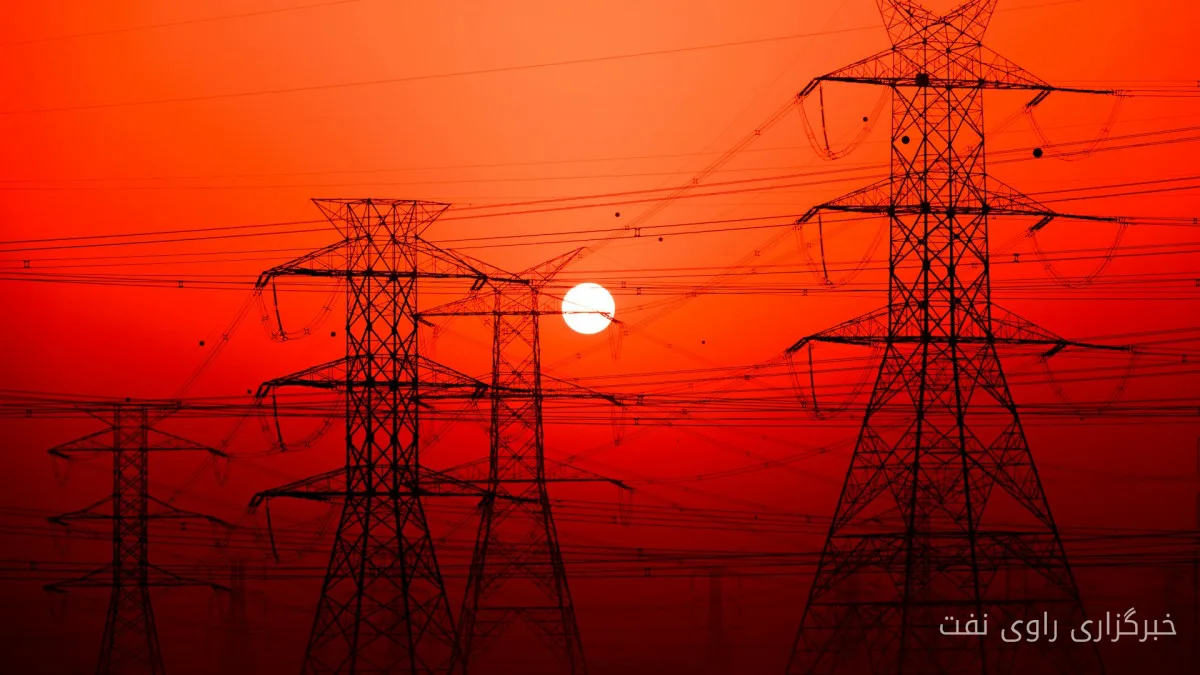
The future global energy crisis is approaching due to multiple reasons that are developing simultaneously. Changes in weather patterns, increased pressure on electricity networks, geopolitical tensions, and conflicts can all lead to severe fluctuations in global energy markets in different ways. For example, in 2025, the electricity grid in Spain and Portugal experienced significant disruptions.
Europe's Dependence on Oil Imports
In March of this year, a report was released indicating that Europe is once again approaching another energy crisis. This report refers to the closure of the Strait of Hormuz, which caused a crisis in global oil and gas markets and highlighted Europe's dependence on oil imports once again. European diplomats are deeply frustrated with the current situation and pointed out that instead of focusing on long-term plans, European leaders are trying to find short-term solutions.
Read more: Holding a government meeting chaired by Masoud Pezeshkian
New Challenges in the Energy Market
Reports also indicate that Europe's future energy crisis will arise due to a decrease in oil and gas exports from key producers. Asian countries have also been significantly affected by the closure of the Strait of Hormuz, and developing countries have less capacity to cope with rising energy rates. In response to these challenges, many emerging economies are rapidly building domestic clean energy resources; however, this approach also comes with its own specific risks.
South East Asian countries are developing solar energy resources at a much faster rate than their electricity networks can handle, and this development heavily relies on components that are almost entirely under China's control. This issue could exacerbate supply chain vulnerabilities.
Given these conditions, energy strategists must pay attention to a new reality to plan for the resilience of energy networks. According to the World Economic Forum, none of the blackouts of 2025 or the ongoing pressures on networks this year had a single cause, and each was the result of a chain reaction, technical failure, control failure, or weather shock.
These changes require a systematic approach that allows the world to identify threats as they arise and quickly take action to mitigate them. This goal necessitates closer cooperation between the energy industry and the governments of the world, and issues such as minimal communications, ambiguous supply chains, and lack of legal authority for public services need to be resolved.
Ultimately, the future energy crisis will become a global challenge that requires immediate and coordinated actions from all countries.
Read more: 1% decrease in the global container index last week · Natural gas futures approach $3



