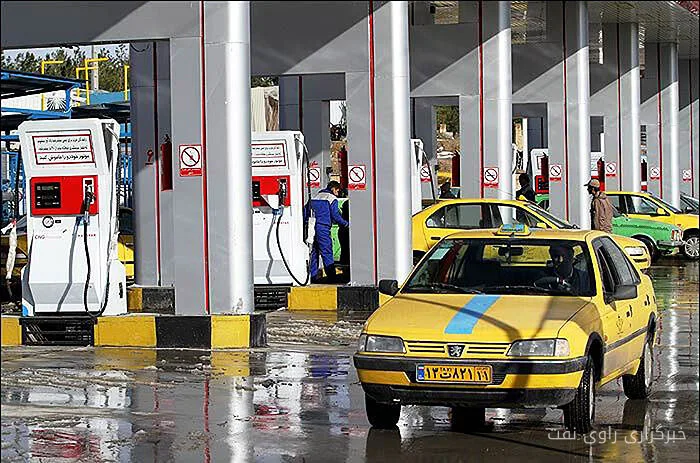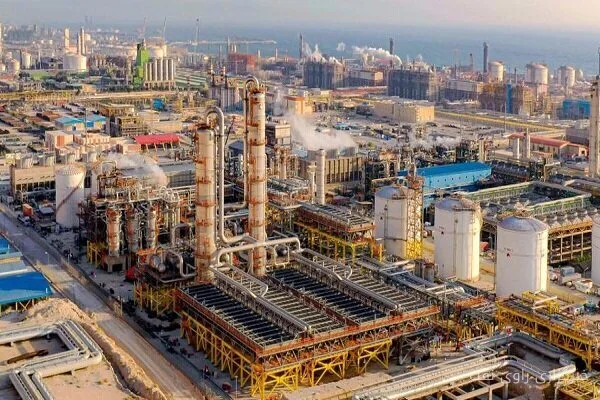
Samaneh Ghaibi, a petrochemical industry expert, in examining the damages caused by gas restrictions in winter, emphasized that to calculate the damages, the extent of gas restrictions and their impact on production must first be determined. Gas is the main feedstock in methanol units, and its shortage in urea complexes can also limit the production of ammonia, the raw material for urea production. However, a 30% reduction in gas does not necessarily mean a 30% drop in production, as the operational conditions of each complex are decisive.
Economic Dimensions of Gas Restrictions
Ghaibi explained the economic dimensions of the issue by assuming that a methanol complex has an annual nominal capacity of one million tons. The daily production of this unit, assuming full operation throughout the year, is about 2,740 tons. If its production is halved for 15 days, approximately 20,500 tons less product will be produced. Assuming a selling price of $250 per ton of methanol, the potential lost sales value would be about $5.1 million, but this figure does not represent the actual loss to the company.
Read more: Steelpaint as a Solution for Protecting the Old Fleet in the Shipping Industry
Hidden Costs and Long-term Effects
Ghaibi added that if we hypothetically consider the difference between selling price and variable costs per ton to be $50, the reduction in the unit's participation margin would be about $1 million. Additional costs of downtime, restarting, and contractual commitments must be calculated separately. She emphasized that these calculations are hypothetical and based on nominal capacity. For a real estimate, the usual operating rate, production costs, and recoverable production levels must be examined.
Ghaibi discussed the differences among production units, stating that in urea complexes, gas restrictions can first affect ammonia production and then urea. The extent of production decline depends on the operational conditions of the ammonia unit, urea production capacity, and the ability to manage feedstock. Therefore, a fixed coefficient cannot be used to calculate damages for all petrochemical products.
She also pointed out the impact of gas restrictions on hidden costs of production stoppage, stating that the duration of gas restrictions is not necessarily equal to the duration of production decline. The feedstock of the complex may be restricted for 15 days, but returning equipment to stable conditions may take longer.
Ghaibi concluded by emphasizing that to calculate the actual damages, four indicators for each complex must be identified: the extent and duration of gas restrictions, lost production after accounting for the recoverable amount, additional costs of stoppage and restarting, and costs arising from delays in sales commitments. This information can lead to a more accurate estimate of damages.
Read more: Pakistan Faces Gas Shortage in Winter · 7% Decrease in Gas Demand in the European Union Due to Low Storage