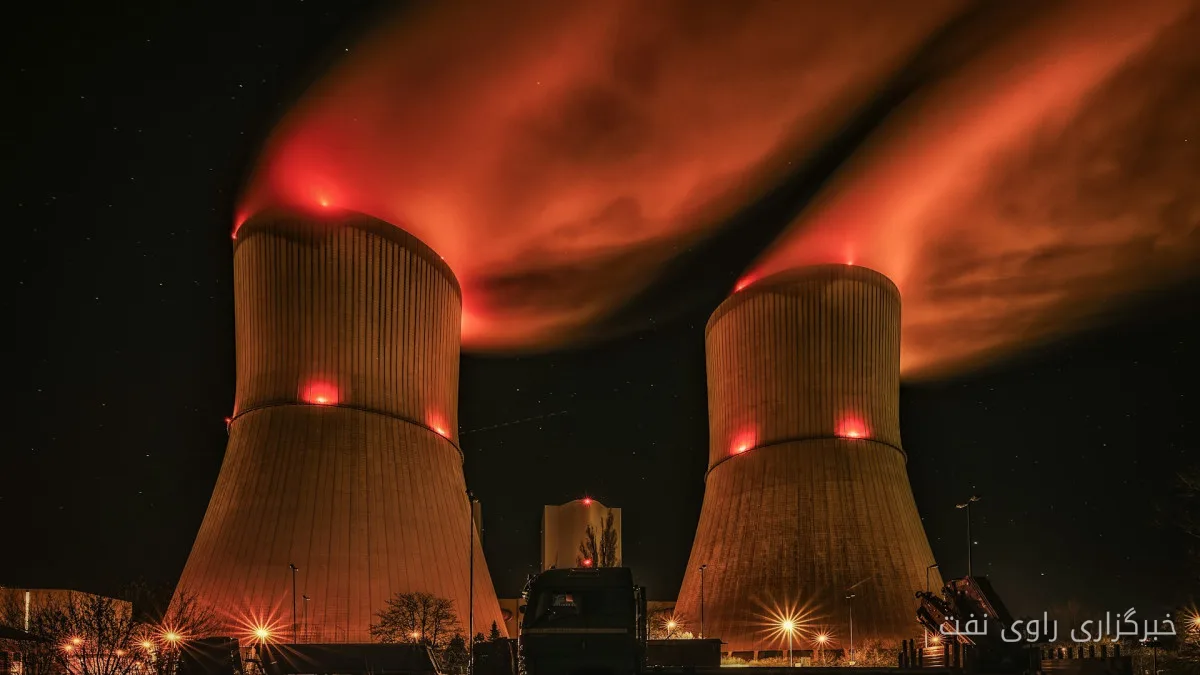
The United States, with a nuclear energy production capacity of 100 gigawatts, is the largest producer of nuclear energy in the world. However, decades of budget shortfalls and insufficient political support have now created a serious threat to this aging industry. Over the past decade, the United States has added only one new nuclear power plant to its fleet, while many plants are approaching retirement.
Fuel Supply Issues
The development of nuclear energy capacity in the United States faces a fundamental challenge in fuel supply. According to a report from Stanford Energy, the country's nuclear industry is now facing vulnerabilities in the fuel supply chain, particularly in uranium supply, which poses a serious threat to existing reactors and the development of advanced reactors due to geopolitical risks and rising costs.
Read more: Reference to Iran's military capabilities
Currently, only five plants in the world have the capacity to convert uranium on a large scale, and nearly half of the global enrichment capacity is controlled by Russia. If Russia decides to cut off supplies to the United States, alternative options could be even worse. According to one article, "The West needs more converted uranium than it can process, and cutting off Russian supplies could make its reactors dependent on a Chinese facility."
Domestic Capacity Development
In recent years, U.S. leadership has made significant efforts to bolster domestic uranium production and conversion capacity. For example, last month, the National Enrichment Facility located in Eunice, New Mexico announced that its planned expansion is ahead of schedule and within budget. This facility alone converts enough uranium to cover about one-third of the United States' demand for enriched uranium and plans to increase enrichment production to over 50% to 7 million separative work units (SWUs).
However, the United States still has a long way to go to achieve nuclear fuel independence. Currently, 93% of the United States' raw uranium for nuclear fuel is sourced from foreign markets, and if these supply chains dry up, even meeting enrichment needs will have no effect.
To maintain the operation of nuclear power plants in the West, approximately 44,000 tons of feed uranium is needed each year. While Western supply lines (including the United States, Canada, and France) are fully operational, they only have the processing capacity for 34,000 tons.
Read more: Establishment of a 10-year shipping supply line in India with recommendations from EY and FICCI · EQT and Range Resources became the largest natural gas producer in America