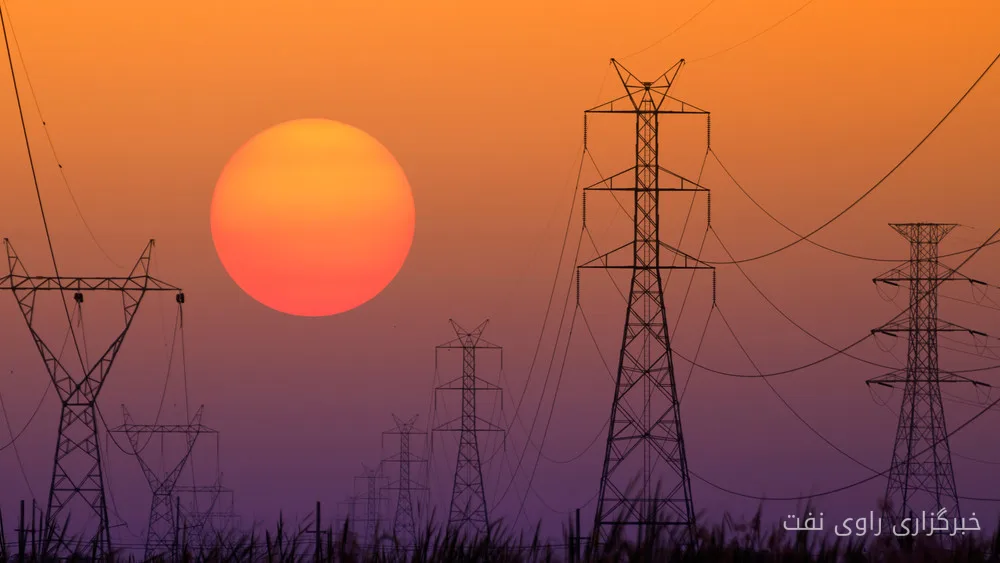
In response to the surge in oil and natural gas prices due to Middle Eastern conflicts, the European Union is exploring ways to reduce energy bills and enhance supply security ahead of the winter season.
Energy Challenges and Current Situation
Didier Jurgens, the European Union's Energy Commissioner, announced that around 50 million Europeans cannot adequately heat their homes. This crisis, exacerbated by the worsening energy situation particularly over the past four years, may increase the number of affected households. Jurgens also warned member states to avoid excessive subsidies for fossil fuels.
Read more: The European Parliament voted to establish a Raw Materials Agency to reduce dependence on China
In a conversation with reporters before the energy ministers' meeting in Luxembourg, Jurgens stated: "We are in a better position to tackle this crisis compared to 2022, as we have reduced our gas consumption by 18% and diversified our supply sources. Now, 45% of our gas does not come from Russia, and we are utilizing various global suppliers."
Storage Levels and Prices
As the European Union enters the winter season, it has been reported that 75% of gas storage facilities are full, down from 83% last year. The wholesale price of gas in Europe reached 100 euros per megawatt-hour for the first time since December 2022 on Wednesday (October 27). This price increase is attributed to the escalation of conflicts in the Middle East and last year's energy crisis.
The war against Iran and military conflicts in Europe have damaged Middle Eastern and Russian refineries, disrupting the flow of oil and gas along major transport routes. The European Commission has initiated discussions with refineries on ways to increase production, including the possibility of adjusting certain technical specifications.
Roland Lescure, the French Energy Minister, announced that Europe will extract more than 42 million barrels of oil and petroleum products in the next three months, half of which will be diesel. EU member states are also considering the Commission's proposal to reduce electricity bills through tax reforms.
However, the energy ministers of Sweden and Poland expressed their opposition to the tax-related sections before the meeting. This energy crisis has become a serious challenge for European countries and requires immediate and effective measures.
Read more: Decline in cash prices of natural gas in the United States · Decrease in futures prices of natural gas influenced by mild autumn temperatures