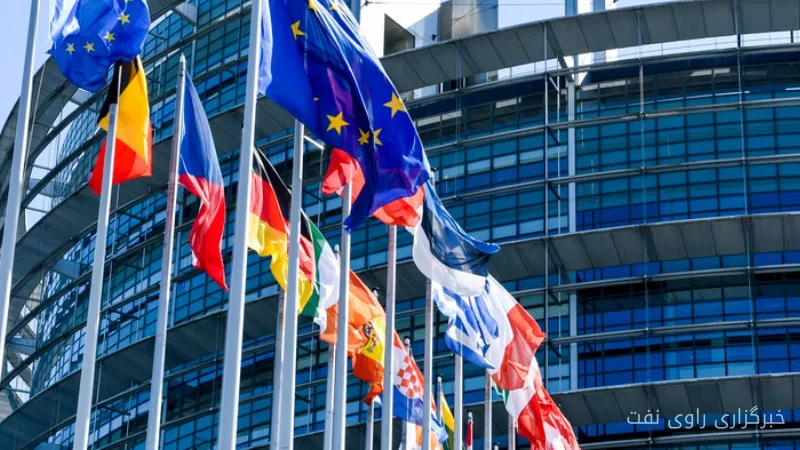
The European Union (EU) is examining the delay in the implementation of the methane law, which is set to take effect in January 2024. This law has faced numerous criticisms from the largest energy exporters, who have more options for sales compared to the EU in terms of suppliers.
Reasons for the delay in the implementation of the methane law
The story does not end here, as Dan Jørgensen, the EU Energy Commissioner, announced last week that options for delaying the implementation of this law are being considered to ensure adequate energy supplies. In an interview, he said: "I have instructed my services to explore the possibility of delaying the import section of the law for one year." This action gives market players time to implement the new regulations without compromising supply security and prices.
Read more: Andreas Solomonides appointed as the new director of BSM Cyprus and BSM Hellas
Concerns of energy exporters
Two of the largest oil and gas suppliers to the EU, the United States and Qatar, have repeatedly pointed out that the implementation of the methane law could harm supply security and prices. The United States and Qatar believe that tracking and reporting methane emissions in the supply chain for every hydrocarbon molecule ultimately sold to EU buyers is impossible.
Qatar has directly stated that it will halt the sale of liquefied natural gas (LNG) to EU members. Additionally, Chris Wright, the U.S. Secretary of Energy, noted that this law could disrupt bilateral trade. Currently, the United States is selling more LNG to European buyers than ever before, but the methane law could change that situation.
Considering that fuel prices are currently at their highest historical levels and gas prices are above 70 euros per MWh, price factors are not favorable for the EU. The EU's proposals to manage the methane reporting situation include delaying penalties for those who violate the law, but this does not mean they will not need to report their emissions.
In the worst-case scenario, European energy buyers may face shortages as crude oil and LNG shipments are diverted from the United States to Asia. In the best case, the entire methane law may be canceled or at least postponed until EU leadership finds a way to validate emission data that aligns with both their climate goals and the interests of oil and gas producers.
Read more: The government meeting chaired by Masoud Pezeshkian was held · Baker Hughes signed contracts to strengthen Venezuela's natural gas sector



