The European Shipowners' Association (ECSA) has announced in a new report that the maritime transport industry, despite being responsible for about 10 percent of greenhouse gas emissions covered by the ETS in the European Union, pays nearly 20 percent of the costs of this system. Meanwhile, this industry has not received any free allowances.
Need for Adequate Funding for Energy Transition
The new mechanism "Sustainable Maritime Transition" (SMAP) provides an opportunity to reinvest part of this share towards energy transition in the maritime transport industry. However, a study conducted by the European Shipowners' Association shows that the Commission's proposal for 110 million allowances only covers one-third of the actual needs of this industry.
Read more: Supply fluctuations cause an increase in thermal coal prices in Asia
According to this study, SMAP needs at least 330 million allowances (equivalent to 30 billion euros) to establish a market for sustainable marine fuels and related technologies. This support should include all sustainable fuels and technologies, including energy efficiency projects that facilitate energy transition in the maritime industry.
Request from the European Shipowners' Association
The European Shipowners' Association has urged the European Parliament and the Council of the European Union to triple the minimum ETS revenues allocated to SMAP. This action is essential to assist the maritime transport industry in achieving the FuelEU Maritime goal for 2040 and could help create a market for sustainable fuels and technologies that facilitate energy transition.
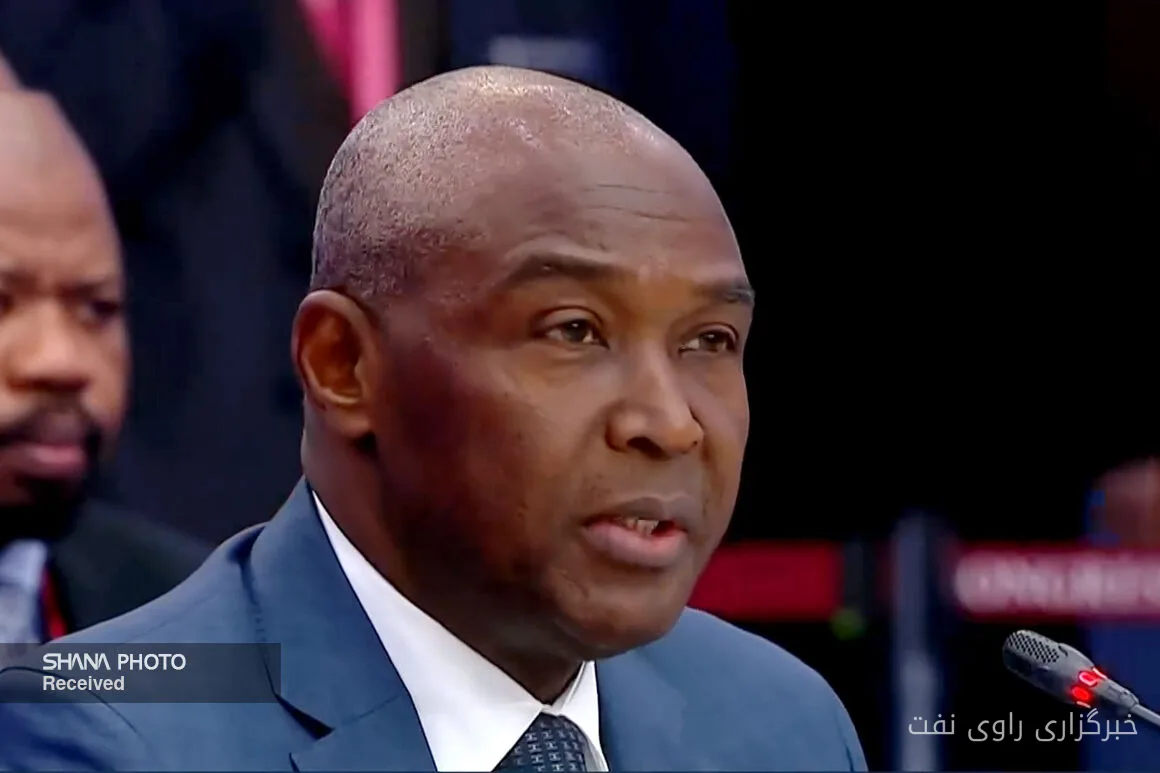
Sotiris Raptis, Secretary General of the European Shipowners' Association, stated: "The maritime transport industry pays nearly 20 percent of total ETS revenues, while being responsible for only 10 percent of emissions covered by the ETS. This industry has not received any free allowances. The new ETS mechanism, which allocates part of these revenues, provides an opportunity to support energy transition in this industry. However, the Commission's proposal only covers one-third of what is necessary to create a market for clean fuels and related technologies."
He also emphasized that "the European Parliament and the Council of the European Union must triple the minimum revenues allocated to SMAP to provide reliable market signals for scaling up sustainable marine fuels and related technologies, including energy efficiency projects. SMAP can assist in the energy transition in the maritime industry, but only if it is sufficiently large to address existing challenges and includes all technologies that lead to carbon savings."
Read more: The competition between the US and China for influence in Central Asia · A 47-point increase in the Baltic Index on Tuesday