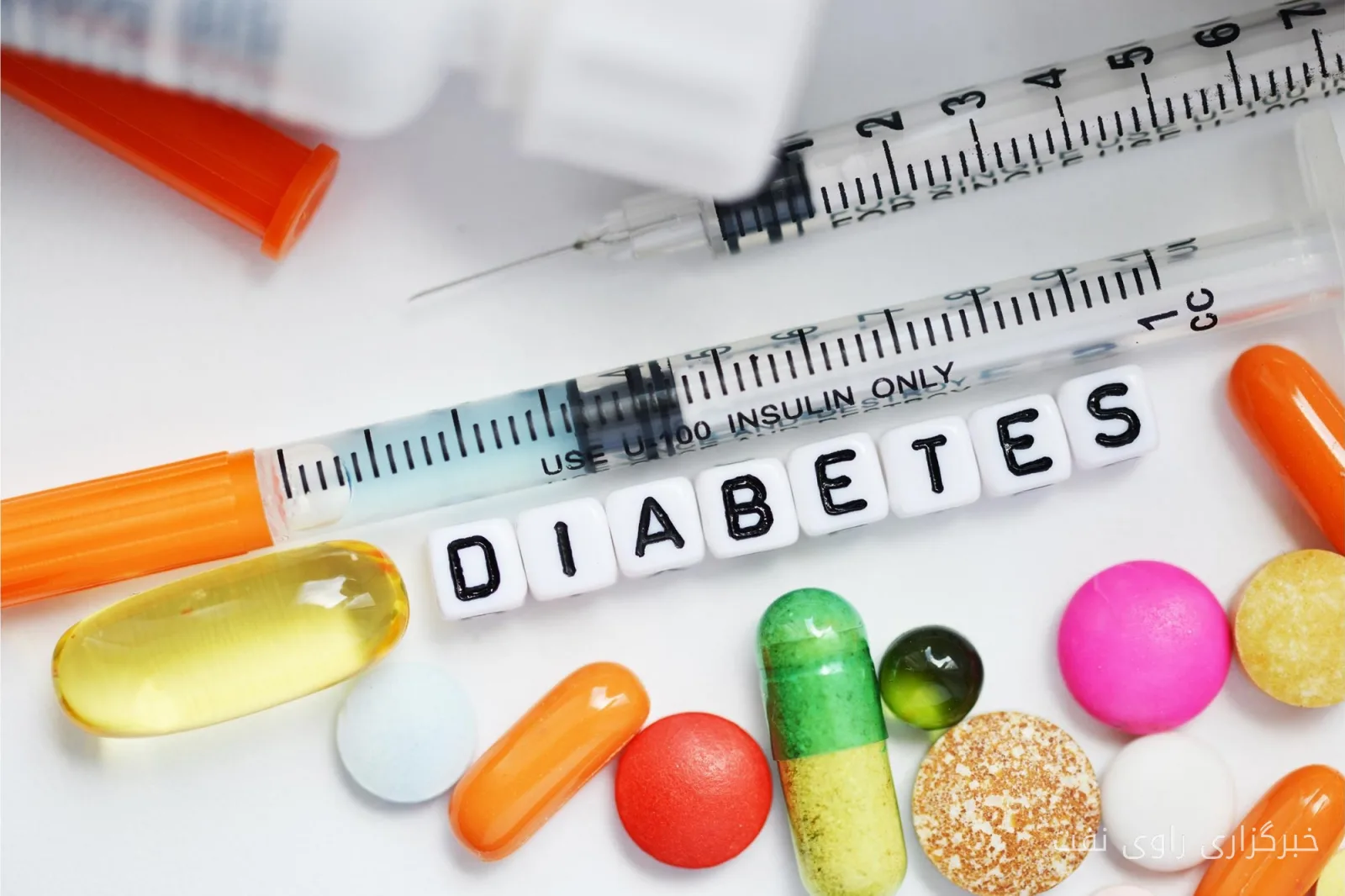
The production of Iranian insulin has reached a new stage, and for the first time, domestic knowledge-based companies have succeeded in the complex technology of producing insulin from the cell stage and genetic engineering.
Reducing Dependency on Insulin Imports
According to the planned schedule, the product from one of these companies will enter the market by December 2026; this event could be an important step in reducing the country's dependency on insulin imports. Localizing recombinant analog insulin is considered one of the most important biotechnology projects in the country. Currently, the import of various types of insulin costs over 100 million dollars annually, and the development of domestic production technology could significantly reduce this expense.
Read more: Retirees and Insurance Issues: Consequences of Forgetting a Form
Development of Domestic Production Technology
According to published information, two knowledge-based companies have successfully developed the insulin production process from the cell stage using genetic engineering for the first time in the country. One of these companies received a production license for glargine insulin from the cell stage in December 2025. This product will be available to applicants by December 2026 after passing quality control and required standards.
Another knowledge-based company is completing infrastructure and advanced production lines and is expected to begin the process of obtaining final approvals from the Food and Drug Organization starting from March 2026.
Localization of Health Products
The localization program for strategic health products is not limited to insulin. The production of pneumococcal and meningococcal vaccines is also on the agenda. A knowledge-based company has received a license to produce pneumococcal vaccine with an initial capacity of one million doses, and the plan to increase its capacity to two million doses over the next two years has also been approved. The meningococcal vaccine has entered the clinical trial phase after producing laboratory samples.
In the field of infant formula, there is a plan to produce four key components including base formula, whey powder, pharmaceutical lactose, and standard vegetable oil; an area that, according to announced information, has a very high dependency on foreign supply. Simultaneously, the project for producing pharmaceutical raw materials from petrochemical feedstocks is being pursued with the participation of knowledge-based companies. The import of pharmaceutical raw materials costs about 749 million dollars annually.
Overall, the entry of Iranian insulin from the cell stage into the market in December 2026 could be one of the most significant milestones in the country's biotechnology industry; a path aimed at reducing dependency on imports, ensuring sustainable supply of vital medicines, and developing advanced health technologies domestically.
Read more: Health Savings Accounts: An Opportunity for Your Financial Future · MDL Technology Support for Underwater Dissolution in the Campos Field, Brazil