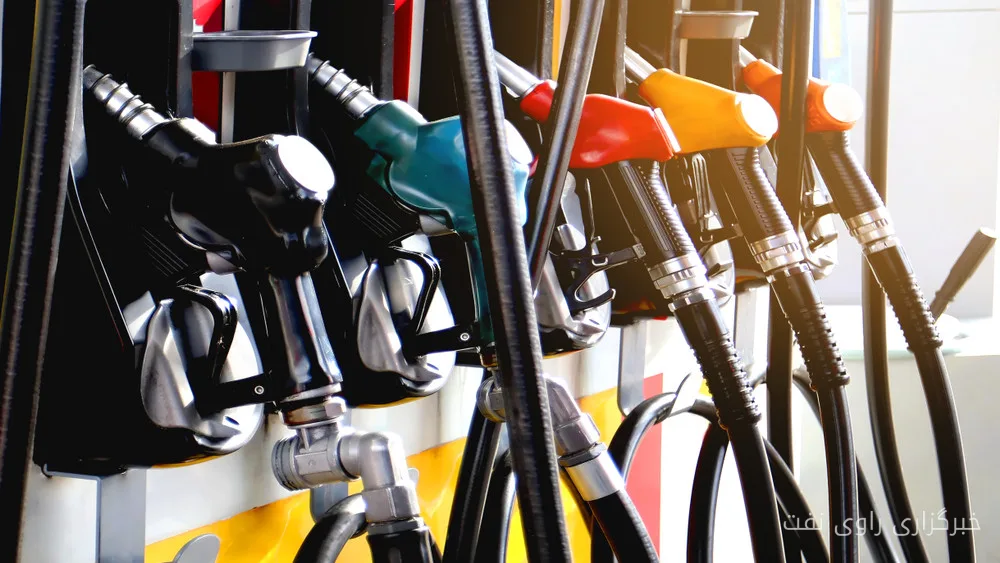
The shortage of diesel and jet fuel has turned into a deeper challenge than the Gulf War. According to analyses, this shortage has clearly existed since 2020 and is not solely due to the closure of the Strait of Hormuz. To better understand this situation, it is necessary to address the various dimensions of this crisis and its consequences for the global economy.
Complexity of Fuel Shortages and Economic Impacts
The shortage of diesel and jet fuel has become severely complicated due to insufficient global production and also the rising costs of extraction and refining resulting from the type of oil used. Heavy oil, which typically produces more diesel and jet fuel, is less available in the market due to high extraction and refining costs. Additionally, the high price of diesel can lead to increased production costs for food and other goods. This phenomenon causes the rise in diesel prices to indirectly affect the prices of food and other goods.
Read more: The European Gas Crisis is Intensified by the LNG Shortage in Hormuz
Need for Change in Energy Policies
To address this crisis, there is a need for fundamental changes in energy policies and the optimal use of diesel and jet fuels. Research into extracting heavy oil and bitumen at lower costs could help increase the supply of diesel and jet fuel. Furthermore, the rising price of diesel compared to gasoline should be seriously considered to encourage producers to invest in new wells.
Although diesel and jet fuel prices are currently rising, many of these costs are related to transportation and insurance. To encourage long-term production, these prices need to remain high and even increase. Otherwise, we may face a decline in production in the future, which could lead to further problems for the global economy.
Read more: Reduction in Steel Production in China and Increase in Inventories Ahead of National Holidays · The Yemeni Government Points to the Intensification of Houthi Threats to the Global Economy



