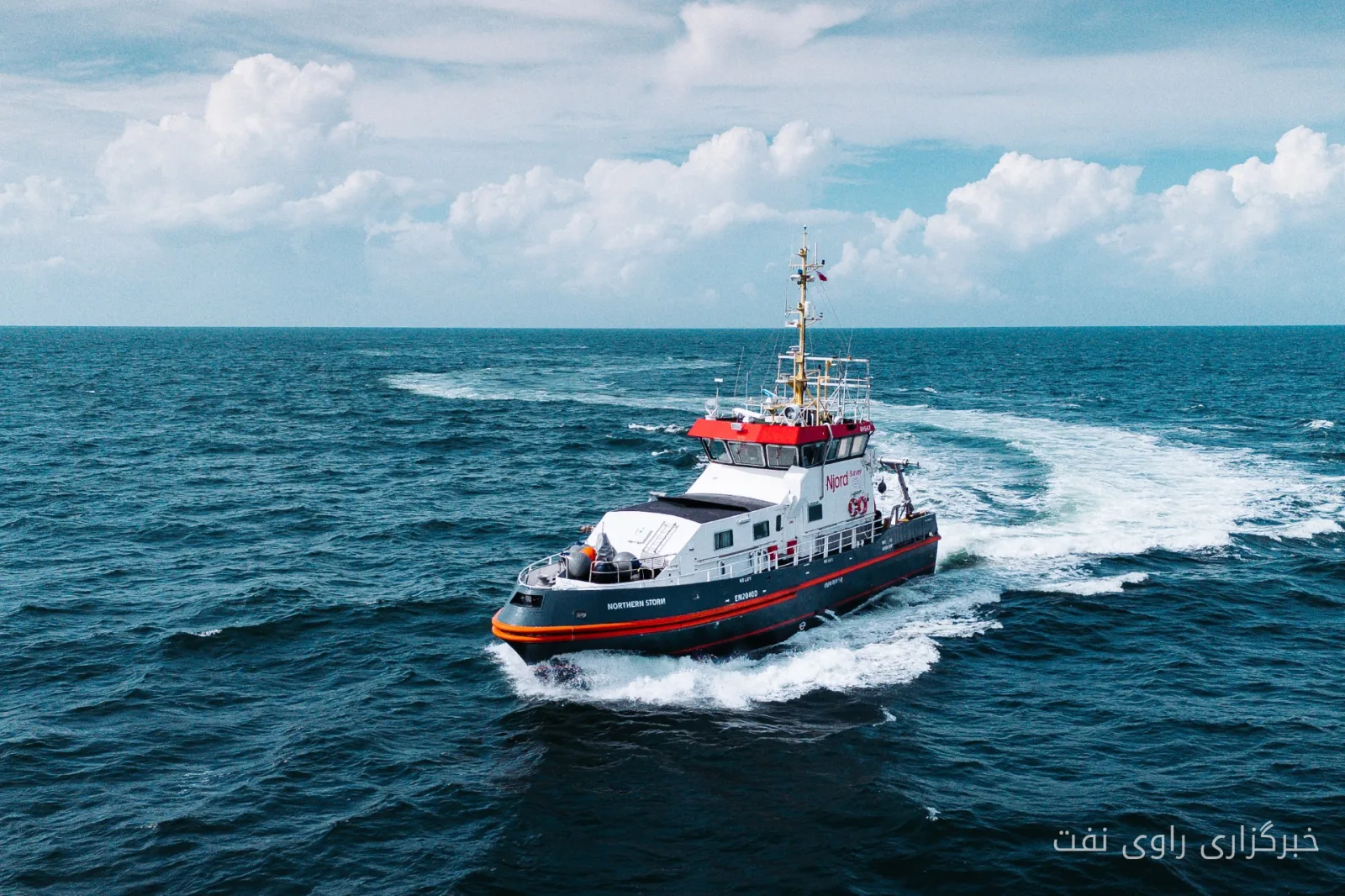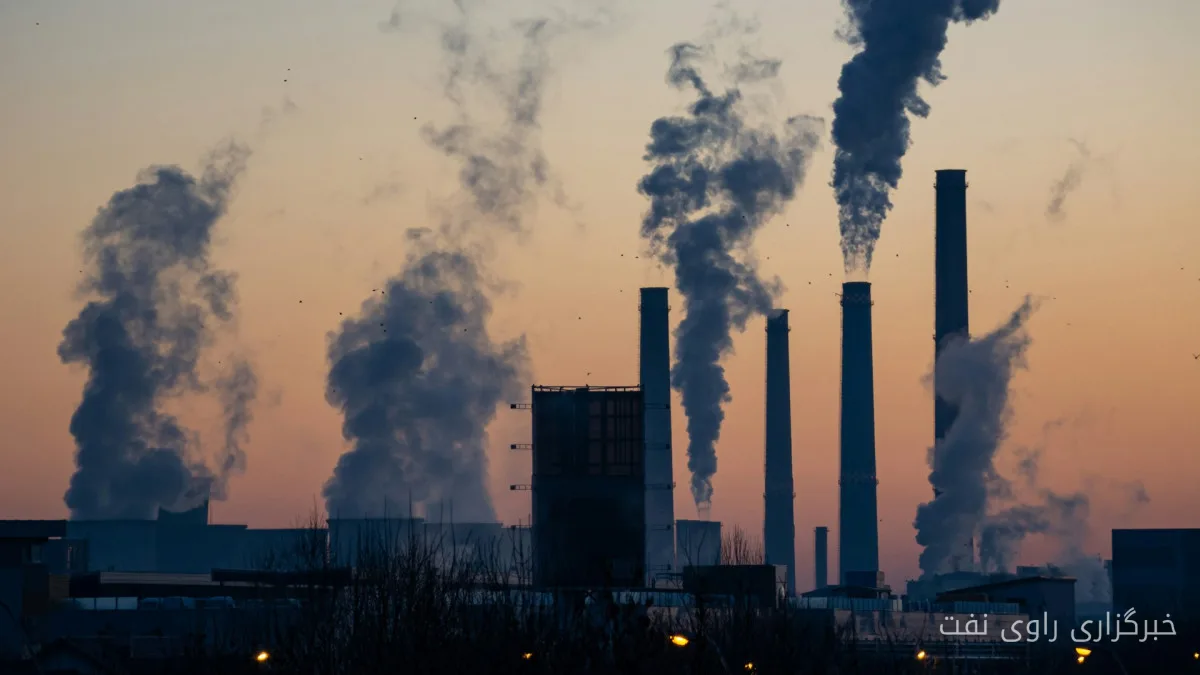
The Clean Arctic Alliance called for an immediate reduction of black carbon in the maritime transport industry in response to the release of two reports from the Ice Core Climate Initiative (ICCI) and the United Nations Environment Programme (UNEP) that examine the effects of climate change on polar ice and oceans.
Consequences of Melting Polar Ice
These reports point out that if global temperatures rise above 1.5 degrees Celsius, widespread and irreversible changes in polar ice and oceans will occur. According to Dr. Sian Prior, senior advisor to the Clean Arctic Alliance, the polar ice of Greenland and Antarctica is now melting nearly six times faster than it was 30 years ago.
Read more: Masoud Pezeshkian deemed the implementation of the car-free Tuesdays initiative necessary
The maritime transport industry currently accounts for about 3 percent of global greenhouse gas emissions, while black carbon and methane—short-lived climate pollutants—have a significant impact on warming in the Arctic. Dr. Prior also emphasized the need for an immediate shift to clean fuels and a reduction in carbon emissions.
Proposal for New Regulations on Polar Fuels
After 15 years of discussion on reducing the impacts of black carbon emissions on the Arctic, a proposal for polar fuels will be presented at the International Maritime Organization (IMO) meeting in January 2027. If this proposal is approved by IMO member countries, it could have a significant impact on reducing black carbon emissions in the Arctic. This proposal has been put forward by Denmark, Germany, France, and the Solomon Islands and now requires support from Arctic countries, particularly Canada, Finland, Iceland, Norway, and Sweden.
Recent reports indicate that significant reductions in greenhouse gas emissions are necessary to limit the damage and harm caused by melting polar ice. Immediate actions are required to reduce black carbon and other short-lived climate pollutants.
Black carbon, as a short-lived pollutant, has a far greater impact on global warming than carbon dioxide and accounts for about 20 percent of the climate impacts of the maritime transport industry. This pollutant indirectly contributes to temperature increases in these regions by accelerating ice melt and reducing the reflective capacity of polar ice.
Reducing the effects of black carbon not only helps the health of the environment but also reduces negative impacts on human health, including premature death and heart problems. However, at sea, effective efforts to reduce these pollutants have not been made.
Read more: BIMCO provided tools to reduce ship collisions with whales · Increase in freight rates in the Black Sea despite a 30 percent increase in the number of ships