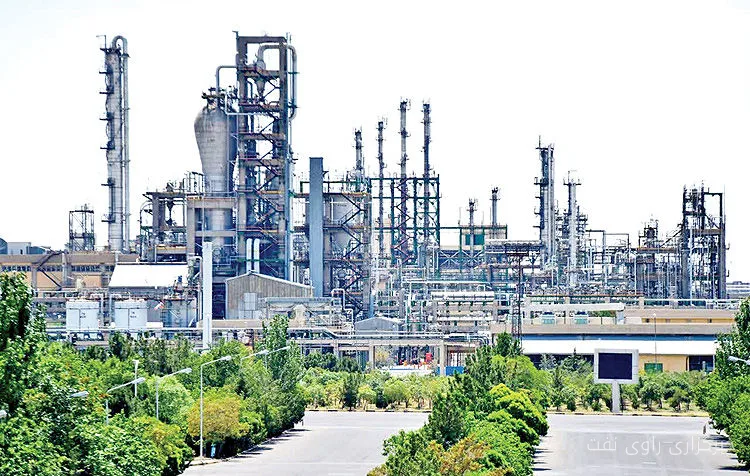
The CEO of the National Petrochemical Company stated that the petrochemical industry has a significant share in attracting investment, announcing that by the end of 2025, investment in this industry will reach $91.6 billion. This investment plays a crucial role in preventing raw material sales and generating foreign currency for the country.
Petrochemical share of gas consumption and added value
Shakari, the CEO of the National Petrochemical Company, emphasized that this industry’s share of gas consumption in the country is less than 10 percent; however, this industry has the capacity to create $22 billion in added value by 2025. This indicates the importance of petrochemicals in the country's economy and the need for planning to ensure sustainable feedstock for this industry.
Read more: Hamid Bord emphasized the entry of petrochemicals into the development of oil fields
Upstream development for sustainability and growth
Shakari also pointed to the limitations of feedstock supply for petrochemical industries in winter, stating that for sustainability and stable feedstock supply, this industry must engage in upstream development. He added that there are currently several projects underway to collect associated gases to achieve greater efficiency and productivity.
He noted that based on the planning done in the seventh development plan, the installed capacity of the petrochemical industry should reach about 111 million tons per year. This means that approximately 15 million tons will be added to this industry's capacity from the beginning of the seventh plan.
Job creation and crisis management
The CEO of the National Petrochemical Company also highlighted the significant impacts of this industry on job creation, stating that in 2024, the petrochemical industry directly created jobs for 148,000 people and indirectly for 1,215,000 people. Shakari considered crisis management in the petrochemical industry during the imposed war to be satisfactory and added that the reconstruction of damaged facilities in this industry is progressing well, with 60 percent of the lost capacity now back in production.
Read more: Emergency management in Assaluyeh petrochemicals · Iran's economy is stabilizing under pressure from sanctions



