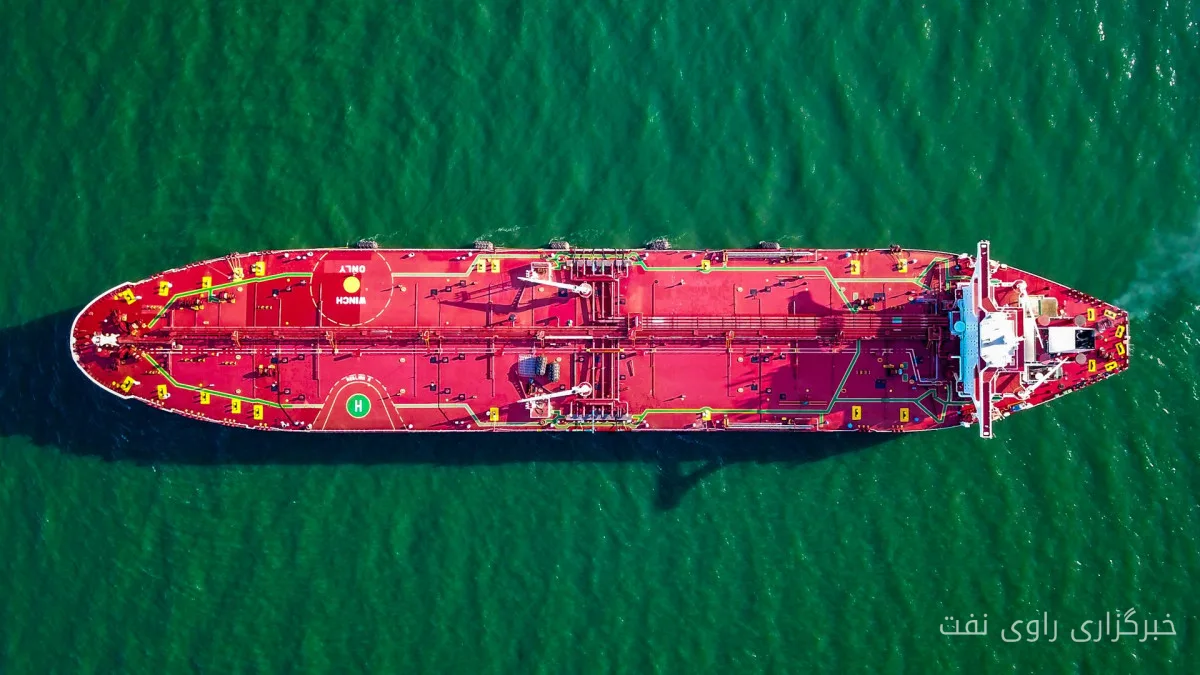
Oil tanker traffic in the Strait of Hormuz has recently reached its lowest level in two months due to an increase in attacks. New data shows that the number of oil tankers passing through this area has decreased to 72 last week, a significant drop from 100 tankers in previous weeks.
Increase in Attacks and Its Impact on Traffic
Analysts believe that the rise in attacks on oil tankers and related entities in the region is the main reason for this traffic decrease. These attacks, mainly carried out by non-state military groups, have raised serious concerns among shipping companies and insurers. Following these attacks, many companies have decided to change their routes or reduce their loading volumes.
Read more: Tajikistan and Kyrgyzstan Agreement with Iran for Oil Supply
Consequences of Traffic Decrease for the Oil Market
The decrease in tanker traffic in the Strait of Hormuz not only affects oil trade but could also exert pressure on oil prices. The Strait of Hormuz, as one of the most important oil passageways in the world, is responsible for about 20 percent of the total global oil exports. Therefore, any disruption in this area could lead to an increase in oil prices in global markets.
Moreover, the reduction in traffic could impact global energy security. Major oil companies, including the National Iranian Oil Company and other international firms, operate in this region, and the disruptions could raise concerns about sustainable energy supply in the future.
Overall, oil tanker traffic in the Strait of Hormuz is considered a key indicator of security and stability in the Persian Gulf, and its decrease could signal an increase in tensions in this area. Given that the Strait of Hormuz is recognized as a vital point for oil exports, monitoring developments in this region is of high importance for analysts and oil market participants.
Read more: Increase in LNG Hammerfest Project Cost in Norway to $2.76 Billion by Equinor · Increase in Iran's Attacks on Oil Tankers in the Strait of Hormuz Ahead of Oil Export Resumption



