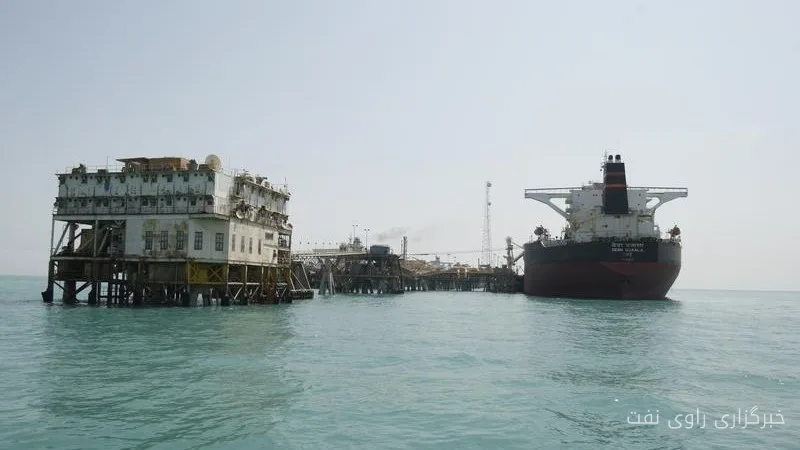
Tanker freight rates in the Gulf of Oman have increased to $12 per barrel and $24 per barrel on the MEG–China route. This increase in rates is due to the rising risks of transporting oil from the Strait of Hormuz, having profound effects on the oil market and delivery costs to Asian buyers.
Increase in Freight Cost Share in Oil Prices
Currently, freight rates account for about 25% of the FOB price of crude oil from the MEG, up from 17% at the onset of the conflicts and around 5% before the war. Additionally, in the Gulf of Oman, where ships avoid direct passage through the strait, freight rates constitute 11% of the oil's value. These figures indicate the highest level of conflicts.
Read more: Iran's War Tests on the U.S. Natural Gas Market
This change in rates affects the signal for crude oil pricing. For Asian refiners purchasing oil from the Middle East, delivery costs are increasingly influenced by freight rates rather than base prices.
Global Impacts and Future Predictions
The increase in rates is not limited to the Middle East. Freight rates outside the Middle East have also reached their highest levels this year. This movement is due to competition for cargo supply and the rising premium in the Gulf of Oman, leading shipowners to be more inclined to operate in the Middle East region.
Given the rising risks, rates are expected to stabilize in the coming days and not reach higher levels. This means that if attacks continue, crude oil pricing and loading are likely to be affected. As a result, the possibility of reduced access to oil and lower demand for tankers from the Gulf increases, without a significant rise in freight rates.
This situation also impacts the economies of Asian refiners. With rising delivery costs for oil from the MEG and the Gulf of Oman, refiners will need to increase their costs to maintain their profit margins. Otherwise, they will face greater pressure on their economies.
Read more: Valeura Energy Receives License to Enter PTTEP Blocks in Thailand · Iranian Commercial Ship Capsizes Near Qeshm Island