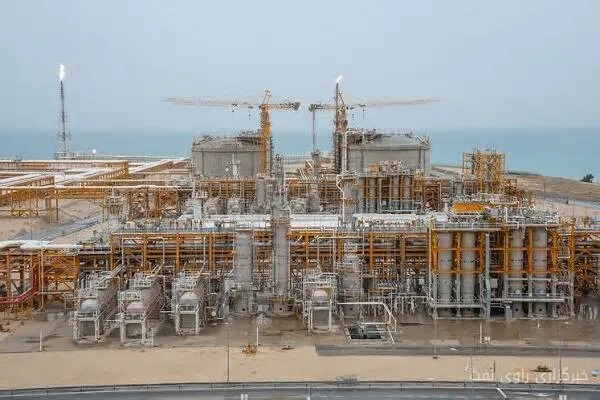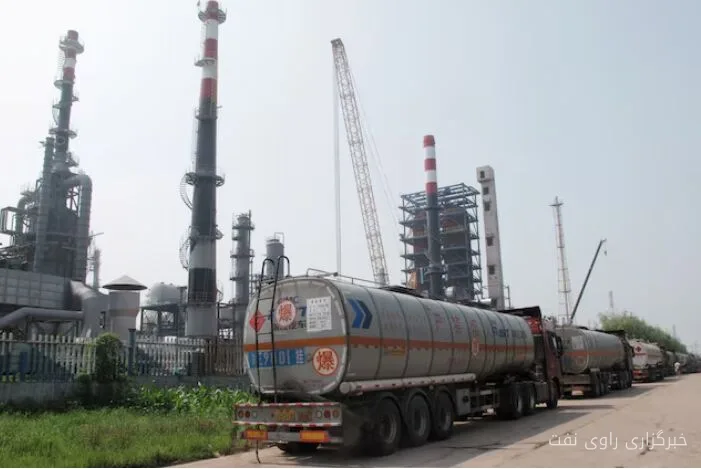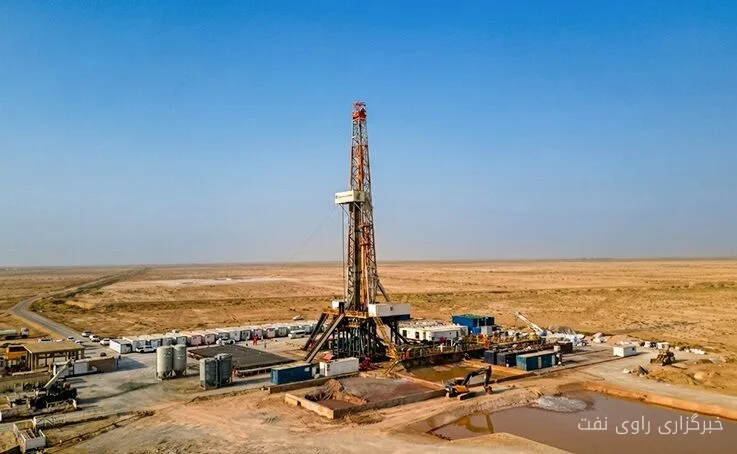
The Strait of Hormuz, this vital artery for oil transit, has currently become one of the main centers of military crisis in the region. With increasing tensions and military threats, the number of ships passing through this route has sharply decreased, leading to unprecedented records in the cost of oil tankers. As oil prices trend upward, the pressure on people's livelihoods is also strongly felt.
Economic Impacts of the Crisis
With the decrease in ship passage through the Strait of Hormuz, concerns about oil and energy supply have increased. This issue has not only impacted oil prices but has also directly cast a shadow over people's living costs. In fact, rising oil prices mean increased fuel and energy costs for households and businesses, which in turn can lead to inflation and public dissatisfaction.
Future Outlook
While the Strait of Hormuz is recognized as one of the key points in the global oil supply chain, the future of this region is heavily dependent on political and military developments. Given the current situation, many analysts believe that if tensions do not decrease, we may witness more serious crises in the energy market and ultimately in people's daily lives.
Ultimately, the Strait of Hormuz is not only a route for oil transportation but also a symbol of geopolitical tensions and their impacts on the economic and social lives of people. In such circumstances, it is essential for decision-makers and economic actors to provide solutions to manage these crises to alleviate the pressure on people's livelihoods.