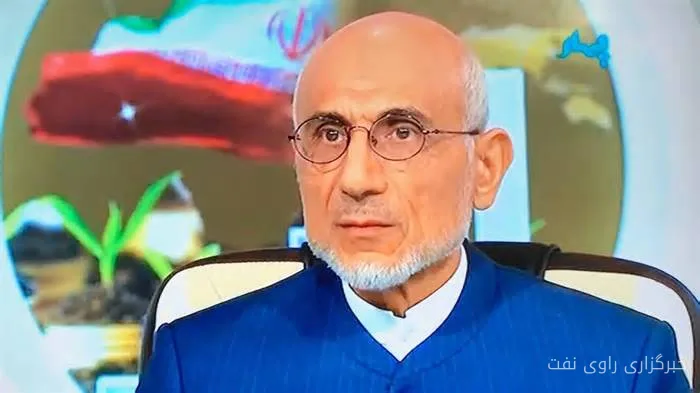
Seyyed Mostafa Mirsalim, a right-wing politician and unsuccessful presidential candidate in the 2017 election, recently made controversial statements: "Oil does not belong to the people; oil belongs to God and the Prophet." His statement has faced significant criticism, and analysts have examined its various dimensions.
Jurisprudential and Economic Analysis of Mirsalim's Statements
While Mirsalim refers to the ownership of oil based on religious beliefs, some experts argue that this view is subject to critique from a jurisprudential and economic perspective. Ayatollah Mohaghegh Damad, a well-known jurist, emphasized in a note in 2019 that oil revenues should be allocated to sustainable and long-term investments, not current expenditures. This viewpoint reflects concerns about the declining value of oil in the future and the necessity for its optimal use.
Read more: Analysis of Fuel Quality in European Ports Based on Neptune Bunker Data
According to Mohaghegh Damad, oil should be classified among public properties (anfal), but the aim of this perspective is to secure the interests of future generations and preserve capital for the country. In this context, it can be said that Mirsalim has incorrectly referenced religious verses and interpreted the concept of public property to his advantage.
History of Oil Nationalization and Its Impacts
A review of the history of oil in Iran shows that in March 1951, Dr. Mohammad Mossadegh, the representative of Tehran, presented the plan for the nationalization of the oil industry. This action was considered a fundamental step towards breaking dependence on colonialism and improving the livelihood of the people. In fact, Mossadegh, by emphasizing the nationalization of oil, sought to secure the happiness of the Iranian nation.
This contrasts with Mirsalim's clear departure from this concept, as he presents oil as belonging to God. This difference in viewpoints reflects two distinct approaches to understanding the ownership of national resources and their use for social welfare. It seems that Mirsalim and Mossadegh have fundamental differences in their understanding of the deity worshiped and economic goals.
Oil, as a valuable natural resource, can clearly be seen as a blessing for the people of Iran. However, Mirsalim's statements overlook the rights of the people and emphasize the principle of God's ownership. Meanwhile, many experts believe that oil should be utilized as a national asset, not merely for current expenditures.
Ultimately, Seyyed Mostafa Mirsalim's statements about oil and its ownership can be considered a controversial discussion in the political and economic landscape of Iran. This topic encompasses not only jurisprudential and philosophical issues but will also directly impact the country's economic and social policies.
Read more: Canada's $70 Billion Investment in Clean Energy and Green Steel Production · The Energy Industry is Expected to Grow by 16.5% in the Third Quarter of 2026