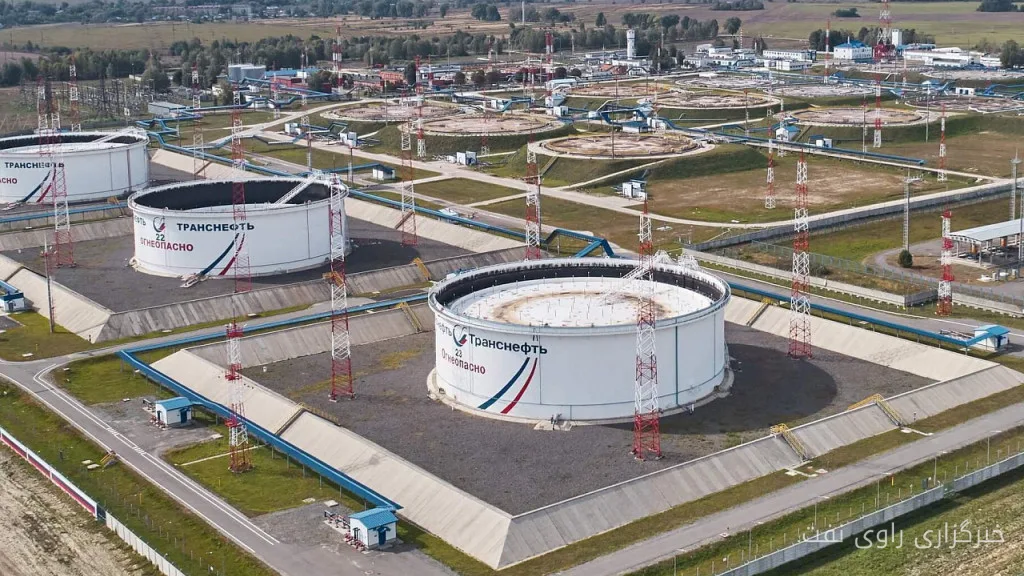
Standard Chartered has made a new forecast indicating that oil prices will remain high despite significant fluctuations. This prediction comes as it has recently been announced that Russia intends to supply more than 300,000 tons of diesel to the United States and global markets.
Details of Russian Diesel Supply
According to reports, Russia will add 500,000 tons of diesel in November, followed by another 1 million tons, and ultimately 3 million tons, depending on the capacity of Russian refineries. This move is seen as a shift in U.S. energy diplomacy, as Russia, the world's largest diesel exporter, has become one of the countries heavily affected by international sanctions.
Read more: Increase in Venezuela's Oil Production with the Arrival of New Drilling Rigs
Challenges in Diesel Production in Russia
However, energy experts are very skeptical about Russia's ability to increase diesel production in the short term. Following the attacks by Ukrainians, Russia's oil refining capacity has significantly decreased, and domestic fuel shortages and export restrictions have impacted the country's ability to supply global markets. Additionally, Russia has repeatedly violated the energy ceasefire declared by President Trump, and attacks on Ukrainian energy facilities have continued.
Standard Chartered has emphasized that a ceasefire is essential for Russia's ability to rebuild refining capacity, and even a prolonged cessation of attacks will not quickly aid in the restoration of damaged units or normal refinery usage levels.
Consequences of Sanctions and High Transportation Costs
The current state of sanctions on refining equipment has also made it more difficult to rebuild these facilities. Furthermore, OPEC officials have recently warned that transportation and insurance costs have risen to over one-third of the value of these goods. This reflects the extraordinary costs that have arisen due to disruptions in energy flow.
While oil and petroleum product exports may improve, longer journeys, additional costs, higher insurance, and reliance on alternative routes will continue to drive up delivery costs to consumers. Therefore, an increase in export volumes does not mean a normalization of market conditions.
Gas Market Situation in Europe
On the natural gas front, Standard Chartered has predicted that gas prices in Europe will remain high. As we enter the cold season, heating demand and the need for storage have increased. For example, LDC demand in Europe has seen a 26 percent increase compared to last week, marking the largest absolute and relative change in this market's balance.
However, increased oil flows from Norway and LNG exports to Europe have not fully covered market needs. TTF gas prices rose by 10.2 percent last week, reaching €85.83 per megawatt-hour.
Read more: Federal Energy Regulatory Commission Advances LNG Public Licenses · Saudi Arabia Becomes the Largest Unpredictable Player in the Oil Market



