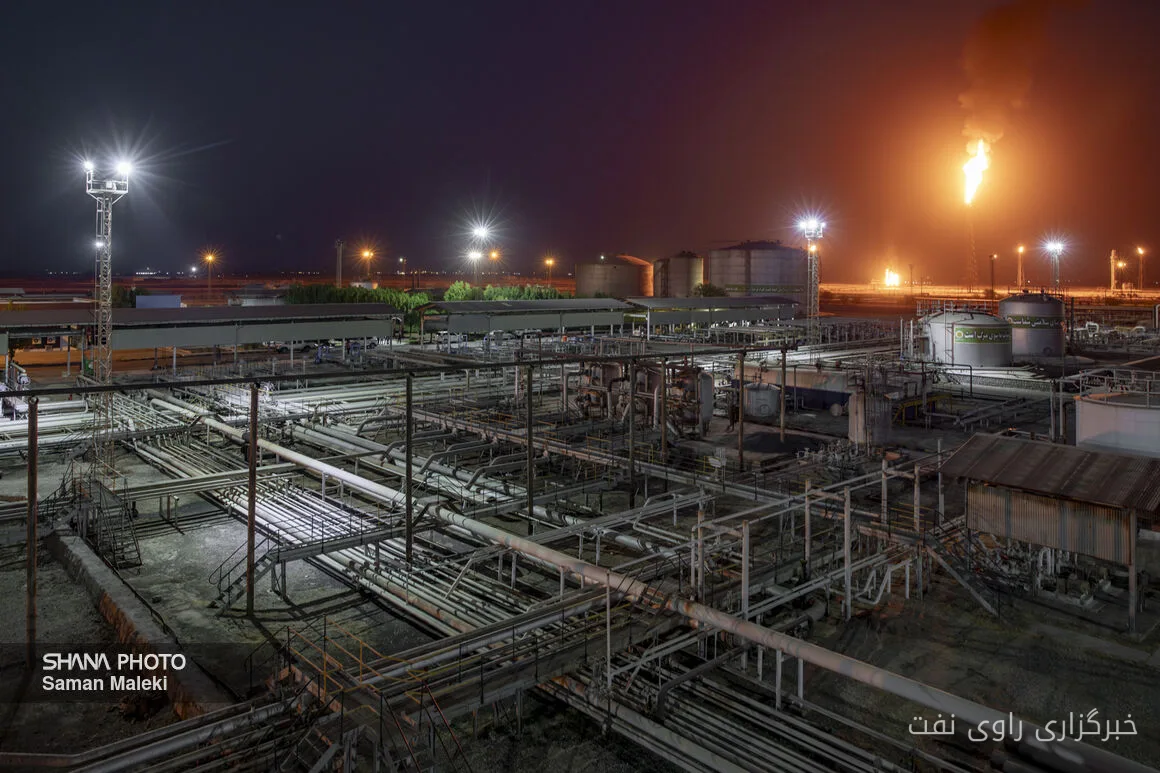
Oil exports from the Strait of Hormuz, as a key route for crude oil transportation, continue at or above pre-war levels. Aran Kildow, senior analyst of the global crude oil market at Sparta, noted in his report that geopolitical risks are currently reflected more in shipping rates than in crude oil prices.
Increase in Oil Flows in September and October
Sparta's analysis indicates that the projected oil flows for September and October are the highest since February. The export volume in October is expected to be slightly lower than in September. Kildow pointed to improved efficiency in oil transportation, stating: "Short-term movements from the Hormuz terminals to the discharge area south of Fujairah have contributed to efficiency." He also noted that the speed of exports reflects the repair of damaged export terminals in the early months of the war.
Read more: Bassem Khazir announced Iraq's need to purchase oil tankers to increase oil exports
Geopolitical Risks and Their Impact on the Market
Kildow added that the ability of Gulf producers to maintain exports despite attacks should not overlook their energy infrastructure gaps. He specifically referred to Saudi Aramco facilities as the largest producer in the region, stating that terminals, processing facilities, and pipelines across the Gulf remain vulnerable to potential attacks. He mentioned the rapid repair of these facilities in case of damage.
Analysts believe that rising shipping rates will lead to reduced refining margins and changes in the long-term economics of crude oil trading. Kildow said: "If shipping costs increase from $1 to $2 to $20 per barrel, this increase in costs will significantly impact refining margins." If oil supply from the Gulf to the Far East is severely restricted, shipping costs from alternative supply regions such as West Africa or the Gulf of Mexico will also rise sharply.
Kildow expects that, given new developments in the region, a new shock in oil supply may occur. He pointed to the possibility of new conflicts between the United States/Israel and Iran, stating that this could have serious impacts on oil supply. He also referenced various scenarios, including a peace agreement or new attacks on Iran's nuclear facilities, which could lead to severe price volatility in oil.
Read more: Kazakhstan faces $12 billion oil backlog · A 1% decrease in Brent crude oil and WTI prices in the global market